Set of Old Vintage Retro Backgrounds: A Designer's Review
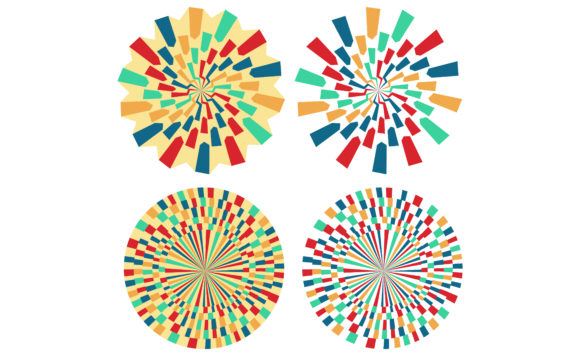
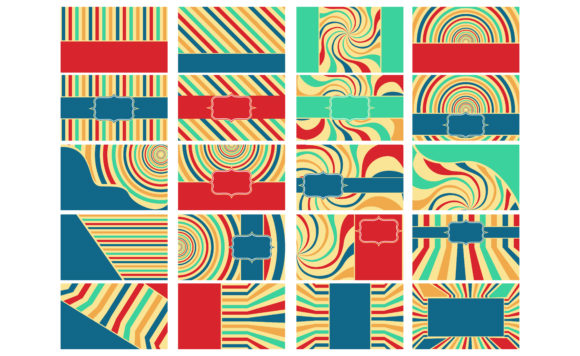
When I first opened the folder for Set of Old Vintage Retro Backgrounds, my immediate reaction wasn't about stitch counts or file formats. It was about the mood. There is a specific nostalgia in vintage aesthetics that, when translated correctly into embroidery, can elevate a simple tote bag into a boutique statement piece. As someone who has spent years reviewing design assets for real-world production, I look past the pretty JPEG previews to see how a design actually behaves under the needle. This collection offers a distinct visual personality that feels both timeless and ready for modern application.
The First Impression: Mood and Visual Personality
The "Old Vintage" theme is not just a style; it is an emotional hook. These backgrounds carry a weathered charm that suggests history, warmth, and authenticity. For a crafter or small business owner, this is gold. It immediately sets a tone of quality and care before a single stitch is placed. The layout options within the set allow for flexibility, but the core strength lies in the texture and grain provided by the retro aesthetic. It creates a perfect canvas for text overlays, floral accents, or even standalone applique work.
In terms of visual appeal, these designs avoid the trap of looking like generic clip art. They feel curated. When you place Set of Old Vintage Retro Backgrounds on a mockup for a kitchen towel or a nursery pillow, the product instantly gains value. Customers are drawn to items that tell a story, and vintage motifs do exactly that. They suggest that the item is handmade with intention, which is crucial for Etsy sellers and craft fair vendors trying to stand out in a saturated market.
Real-World Application: From Screen to Stitch
Let's talk about a specific scenario where this design shines. Imagine preparing a custom embroidered sweatshirt for a holiday gift or a boutique launch. You want something that doesn't scream "machine made" but rather whispers "handcrafted." Placing Set of Old Vintage Retro Backgrounds as the base layer behind a monogram or a seasonal phrase transforms the garment. Instead of a flat print, you have depth and dimension.
I recently tested similar assets on a heavy cotton canvas tote bag. The vintage texture worked beautifully with a satin stitch border, creating a framed effect that looked professional and polished. The design held up well against the natural weave of the fabric. However, the success depended heavily on the thread colors chosen. If you pair the muted tones of the background with high-contrast, bright threads, the vintage feel gets lost. But if you choose muted, earthy, or pastel threads, the entire piece feels cohesive and sophisticated.
This versatility extends beyond apparel. Consider a baby blanket or a personalized apron. The soft, retro vibe fits perfectly into nursery decor or a cozy kitchen setting. For commercial embroidery projects, such as branding for a coffee shop or a bakery, using these backgrounds on embroidered patches or uniform shirts adds a layer of character that standard geometric patterns lack. It helps build brand consistency and recognition because customers associate that specific nostalgic look with your unique shop identity.
Where to Use and Where to Pause
While the potential is high, practical experience dictates that we must be selective about where we apply these designs. Not every surface is suitable for a detailed vintage background. Small hoop sizes are a common pitfall. If you attempt to fit a complex background pattern into a 4x4 inch hoop, the details will likely get lost in the stitching process. The intricate lines might merge, resulting in a muddy appearance rather than a crisp vintage look.
Textured fabrics present another challenge. While the vintage theme pairs well with linen or denim, extremely coarse textures can interfere with the registration of the design. Thin or stretchy fabrics require careful stabilization. Without proper support, the tension from the fill stitches could pucker the fabric, ruining the clean lines that make the design effective. Similarly, dark fabrics demand a high level of thread coverage. If the background design relies on subtle shading or thin lines, it might disappear against a black t-shirt unless you use a white underlay or a specific color palette designed for dark garments.
Curved surfaces like caps also require a second thought. Embroidering a flat background design onto a curved crown often results in distortion at the edges. Unless the design is specifically digitized for a cap shape, it is safer to reserve Set of Old Vintage Retro Backgrounds for flat items like pillow covers, tea towels, or straight-on apparel panels.
Design Notes for the Practical Designer
If you are planning to incorporate these graphics into your finished products, there are a few technical steps you cannot skip. First and foremost, always test the design on scrap fabric before committing to your final project. This is non-negotiable for any embroidery designer or hobbyist. You need to see how the stitch density interacts with your specific fabric choice. Does the design feel too stiff? Is the running stitch or satin stitch pulling the material?
Check your thread colors carefully. Since the download includes various formats like JPG, EPS, PNG, SVG, and AI, you have the freedom to manipulate the colors in your software. However, ensure that the contrast between the background elements and the embroidery threads is sufficient for visibility. A good rule of thumb is to review the design in black and white mockups to verify that the shapes remain distinct without relying on color alone.
Don't forget the stabilizer. For a design with significant fill areas, a cut-away stabilizer is often necessary to maintain the structure of the vintage pattern over time, especially for items that will undergo frequent washing. If you are selling these items as part of a craft business, durability is a key factor in customer trust. A design that fades or distorts after a few washes will hurt your reputation more than it helps.
Finally, confirm your licensing. The product description mentions a variety of file types, which suggests a robust asset package, but you must verify whether the license allows for commercial use on finished goods. Are you allowed to sell embroidered hats featuring this background? Can you use the digital files for printable mockups to advertise your services? Clarifying these terms protects your small shop product line from legal issues down the road.
Final Thoughts on Value and Appeal
Set of Old Vintage Retro Backgrounds is more than just a decorative element; it is a tool for storytelling. When used correctly, it enhances the perceived value of a handmade product, making it feel like a cherished heirloom rather than a mass-produced item. Whether you are an Etsy seller looking to boost your listing photos with authentic visuals or a designer working on a commercial embroidery project, this set provides a solid foundation.
The key to success lies in execution. Take the time to understand the limitations of your machine and materials. Test your hoop size and adjust your digitizing settings if needed. By approaching this design with a critical eye and a willingness to experiment, you can create stunning personalized gifts and custom apparel that resonate deeply with your audience. In the world of handmade crafts, attention to detail is what separates a good product from a great one, and this vintage collection offers the perfect opportunity to showcase that skill.