Retro Black and White Line Icon Review
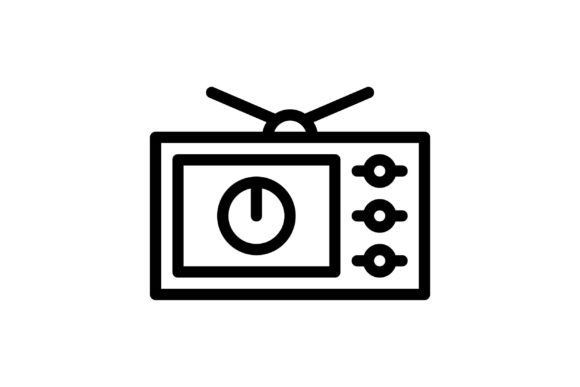
As a designer who has spent years evaluating machine embroidery design files for everything from boutique branding to personalized gifts, I approach every new download with a mix of excitement and skepticism. You never know if a graphic will translate well into thread until you actually stitch it out. Today, I am putting the Retro Black and White Line Icon through its paces. This isn't just another generic Graphics asset; it is a specific set of icons that promises a vintage aesthetic suitable for various embroidery projects. The description highlights that this file is scalable in SVG, JPG, and EPS formats, which immediately suggests flexibility for both digital previews and physical production.
My first impression of the Retro Black and White Line Icon is one of clean, timeless simplicity. In a market saturated with complex, multi-colored floral patterns or overly busy text-based designs, this piece stands out because of what it leaves out. It relies on strong lines and negative space to create visual interest. When I looked at the vector preview, I saw a mood that fits perfectly with modern farmhouse decor, artisanal coffee shop branding, or nostalgic children's wear. The line weight appears consistent, which is crucial when converting a digital image into an embroidery file. If the lines are too thin, they disappear in the stitching; if they are too thick, they become bulky blocks of thread. This design seems to hit that sweet spot where it retains its delicate character without losing definition.
To really understand how this design performs, I imagined a real-world scenario: creating a custom embroidered tote bag for a local craft fair. The goal was to produce a limited run of bags for an Etsy seller who specializes in handmade goods. They needed something versatile that could appeal to a wide audience but still feel unique. The Retro Black and White Line Icon felt like the perfect candidate for this tote bag design. Because the style is monochromatic, it would look crisp on natural canvas, black denim, or even a soft cream linen. Unlike a complex applique design that requires precise cutting and matching, these line icons rely on simple stitches that can be executed quickly on standard home machines or industrial setups.
When planning the execution on the fabric, I considered the different stitch types required. The outer borders of the icon would likely benefit from a satin stitch to give it a polished, raised edge that catches the light. However, depending on the specific internal details, a fill stitch might be necessary to ensure solid coverage without puckering. For the finer details within the icon, a running stitch could add texture and movement, mimicking the hand-drawn feel of the original artwork. The key here is managing the stitch density. Since the design is minimalist, over-stitching it would ruin the retro vibe. The goal is to keep the thread count low enough to maintain the sharpness of the lines while ensuring the design is durable enough for frequent washing.
Let's talk about versatility. While I started with the tote bag idea, the Retro Black and White Line Icon is equally effective for other custom apparel items. Imagine placing this on the chest of a sweatshirt for a holiday gift collection. The high contrast of black thread on a dark grey or navy sweatshirt creates a sophisticated look that doesn't scream "holiday" but rather whispers "style." Alternatively, using white thread on a black cap would make the icon pop, serving as a subtle logo for a small shop product. The scalability mentioned in the file description is a major plus here. Whether you are shrinking the icon down for a baby onesie or enlarging it for a large apron, the SVG format ensures the lines remain crisp, preventing the jagged edges that often plague poorly converted digital embroidery files.
However, there are areas where this design requires careful consideration. If you plan to use this on a textured fabric like a heavy boucle wool or a highly stretchy jersey knit, you must be cautious. Thin lines can get lost in deep textures, and stretchy fabrics may cause the design to distort if not stabilized correctly. For curved surfaces like caps, the curvature of the hat might alter the perception of the straight lines, so testing on a scrap piece of the same material is essential. Additionally, if you intend to use this for an embroidered patch that will be attached to a garment, ensure the backing stabilizer is robust enough to hold the shape without fraying after repeated washes. The design is not recommended for extremely small hoop sizes where the detail level might get compressed, making the lines indistinguishable once stitched.
From a business perspective, the choice of design directly impacts customer trust and brand consistency. A client looking for a handmade product wants to see quality and attention to detail. A well-executed Retro Black and White Line Icon on a finished product signals professionalism. It shows that the maker understands how to balance aesthetics with technical limitations. On the flip side, a sloppy execution—where threads bunch up or lines break—can undermine the perceived value of the item. This is why I always advise checking the thread color contrast before starting. A black icon on a black background is invisible unless you use a metallic thread or a very specific sheen, whereas white thread on black fabric offers maximum visibility and impact.
For those selling these items on platforms like Etsy or at craft fairs, the visual appeal of the final product drives engagement. The retro aesthetic of this icon pairs beautifully with current trends in handmade products and personalized gifts. It works well for nursery decor, adding a playful yet classic touch to a baby blanket or pillow cover. It also fits seamlessly into holiday embroidery collections, serving as a standalone motif or part of a larger scene. The fact that it comes in multiple formats means you can create printable mockups for your online listings that look identical to the final stitched result, helping customers visualize the product before they buy.
Before you commit to using this design in a commercial project, here are some practical notes from my experience. Always test the design on scrap fabric first to check the hoop size and tension settings. Review the stitch density to ensure it isn't too heavy for the fabric type you are using. Confirm whether the licensing terms allow for commercial use of the finished product, as this varies by creator. Inspect small details closely; sometimes, tiny loops in the vector path can cause the machine to skip stitches. Test the design in black and white mockups to see how it translates visually before spending money on thread and fabric. Finally, compare how it looks on both light and dark fabric backgrounds to ensure the chosen thread colors provide the desired contrast.
In conclusion, the Retro Black and White Line Icon is a solid addition to any designer's library of design assets. It offers a blend of nostalgia and modernity that appeals to a broad range of audiences, from hobbyists to serious craft business owners. Its scalability and clean lines make it adaptable for everything from small accessories to large wall hangings. By understanding its strengths and limitations, you can leverage this icon to create high-quality, professional-looking finished products that stand out in a crowded marketplace. Whether you are decorating a kitchen towel or building a brand identity, this design provides a reliable foundation for your next creative endeavor.