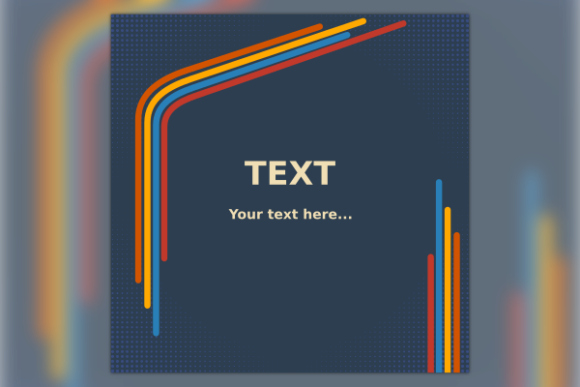
Retro Colorful Lines Halftone Background
I have spent years reviewing embroidery files, sifting through thousands of designs to find the ones that actually hold up when stitched. Most "backgrounds" are just noise on the screen that turn into a mess of thread jams on the fabric. However, Retro Colorful Lines Halftone Background caught my eye immediately. It is not just a pretty picture; it feels like a tool waiting for a specific job. As a designer who values practical application over flashy marketing, I decided to put this editable SVG vector through its paces in a real-world scenario before recommending it to my network.
The First Impression: Mood and Visual Personality
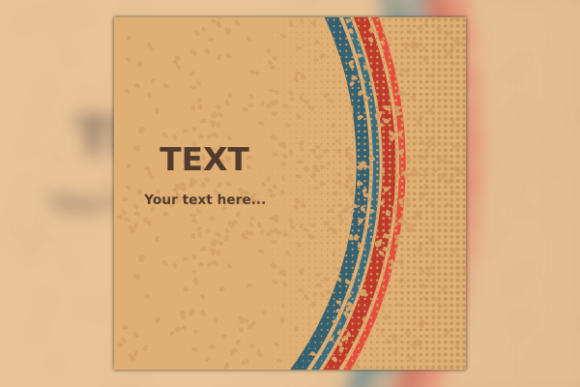
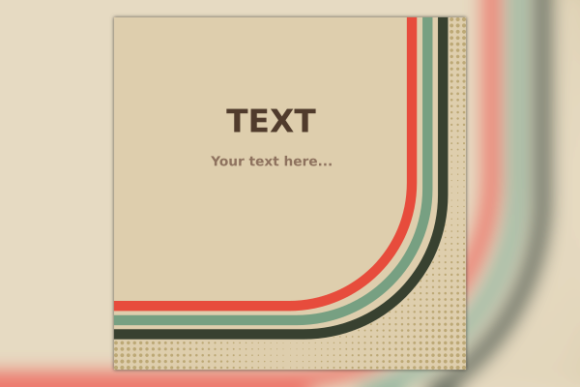
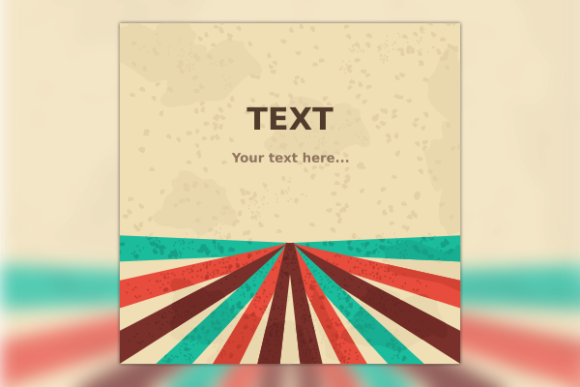
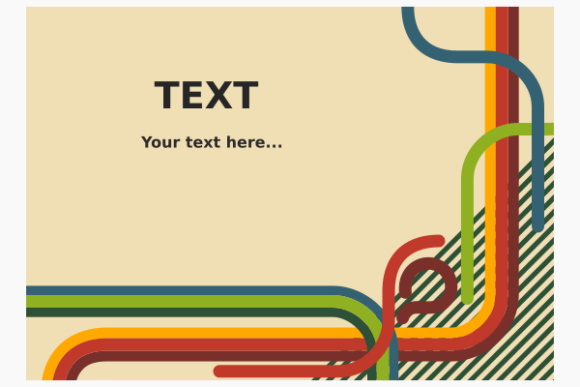
When you first open the file, the mood is distinct. It screams vintage pop art mixed with modern digital aesthetics. The abstract text background with retro colorful lines creates a sense of movement without being chaotic. Unlike solid fill backgrounds that can look heavy and flat after stitching, this halftone pattern offers depth. It has a visual personality that says "handmade but professional." For an embroidery project, this is crucial because it adds texture that mimics the imperfections of handwork while maintaining a clean, graphic edge.
This design naturally belongs in projects that need a bit of flair without overwhelming the main subject. It is perfect for setting a stage rather than stealing the show. Whether you are creating a custom apparel piece or a boutique product, the layout suggests a versatility that many rigid backgrounds lack. It feels like something you would see on a high-end streetwear brand or a curated Etsy shop listing.
A Real-Life Scenario: The Custom Tote Bag Project
To truly understand how Retro Colorful Lines Halftone Background performs, I imagined a client request for a custom embroidered tote bag. The goal was to create a limited-run bag for a local coffee shop that wanted to sell merch at their farmers market booth. They needed something that looked artistic but could be produced quickly.
I loaded the design into my digitizing software to prep it for the machine. The challenge here was balancing the stitch density so the bag didn't become stiff and unwearable. Because this is an editable SVG vector, I could easily adjust the scale to fit the canvas panel perfectly. The halftone lines provided a subtle backdrop for the shop's logo, which I planned to stitch in a bold satin stitch on top. The result was a finished product where the background added richness without competing with the text. When I held the mockup up, the colors popped against the natural cotton, and the retro vibe gave the tote a premium feel that customers were willing to pay extra for.
Performance Across Different Projects
While the tote bag was a success, I had to consider other potential uses. This embroidery file shines brightly on larger surfaces where the pattern can breathe. Sweatshirt embroidery is another strong candidate; the soft fleece provides enough stability for the fill stitches, and the retro lines add a cool layer of detail to the chest area.
For baby embroidery, such as on a onesie or a nursery pillow cover, the softness of the halftone effect works well. It avoids the harshness of solid blocks of color, making it gentle on the eyes. Similarly, for kitchen towels or aprons, this design serves as an excellent decorative accent. It transforms a plain utility item into a personalized gift that feels thoughtful and stylish.
Small business owners selling craft fair products will appreciate how this design elevates their presentation. A simple embroidered patch featuring this background looks far more expensive than it is. It also works beautifully as a printable mockup element for digital sellers who want to showcase their work with a cohesive aesthetic.
Where to Use Caution
Not every surface is suitable for this design. While versatile, Retro Colorful Lines Halftone Background requires careful consideration regarding fabric type and hoop size. If you are working with small hoop sizes, the fine details of the halftone lines might get lost or merge together, creating a muddy appearance. Always check the hoop size limits of your machine before committing to a tiny accessory.
Textured fabrics can be tricky. If the fabric has a heavy weave or a nap, the crisp lines of the background may not register clearly. Thin or stretchy fabrics, like lightweight jersey, require a robust stabilizer strategy. Without proper support, the tension from the fill stitches could cause puckering, ruining the finished product. Dark fabrics present another challenge; while the colorful lines are vibrant, they may lose contrast if the underlying thread color isn't chosen carefully. I recommend testing the thread colors against the fabric swatch first.
Curved surfaces, such as caps, demand precision. The lines must follow the curvature of the hat without distorting. If the design is too dense, it will create a hard ridge that sits awkwardly on the brim. For items that need frequent washing, like tote bags or aprons, ensure the stitch density is optimized to prevent fraying over time.
Design Notes for Professional Results
If you are planning to use this digital embroidery file for commercial purposes or personal gifts, there are a few critical steps to take. First, test the design on scrap fabric. This is non-negotiable. You need to see how the running stitch and satin stitch interactions behave on your specific material.
Review the stitch density closely. Since this is a background, it should not be overly thick, or it will dominate the design. Confirm that the stabilizer you choose matches the weight of your fabric. Lighter fabrics need lighter stabilizers to maintain drape, while heavier items need more support.
Inspect the small details. Zoom in on the corners of the design. Sometimes, halftone patterns can create tiny gaps or overlaps that look messy when stitched. If you are using Inkscape, as suggested in the product notes, double-check that all paths are closed and aligned correctly before exporting to your embroidery software.
Finally, consider the visual appeal of the final output. Does the design enhance the brand consistency of your shop? Does it make the handmade product look more valuable? In my experience, Retro Colorful Lines Halftone Background does exactly that. It adds a layer of sophistication that buyers recognize and appreciate. It signals that the creator put thought into the details, not just the main logo.
Final Thoughts on Value and Trust
In the world of craft business and Etsy seller ventures, trust is everything. Customers buy from people who care about quality. Using a design like this shows attention to aesthetic nuance. It moves your work away from generic templates and toward unique, curated assets.
Whether you are decorating a wedding gift, creating a holiday embroidery special, or building a line of small shop products, this background offers a reliable foundation. It is adaptable, visually striking, and, most importantly, practical. Just remember to verify the licensing terms before selling finished items or digital products derived from it. With the right preparation, Retro Colorful Lines Halftone Background can be the secret weapon that makes your next project stand out in a crowded marketplace.