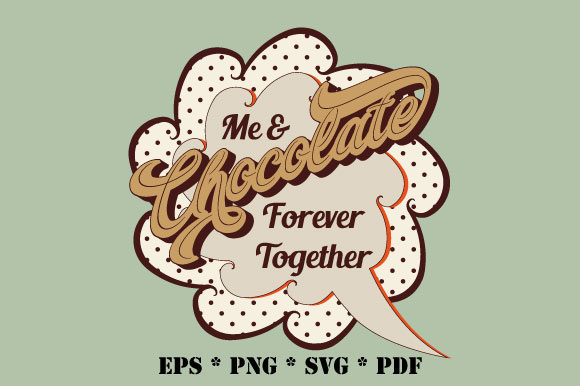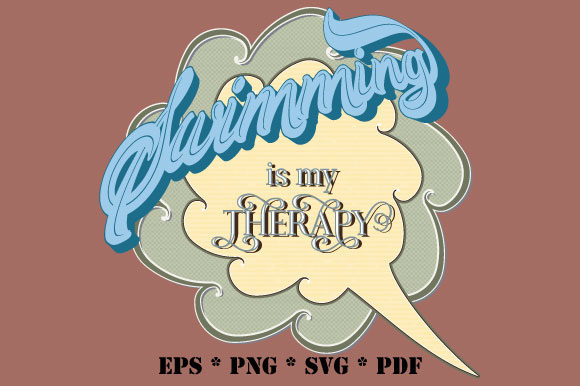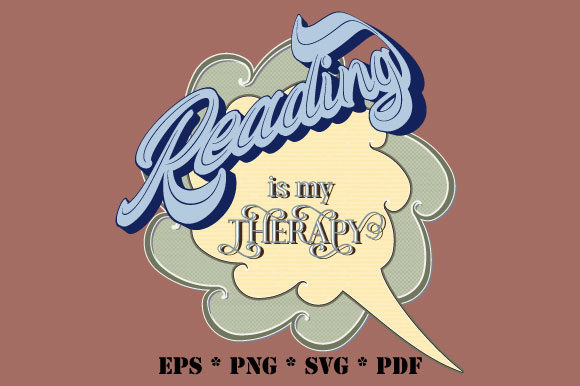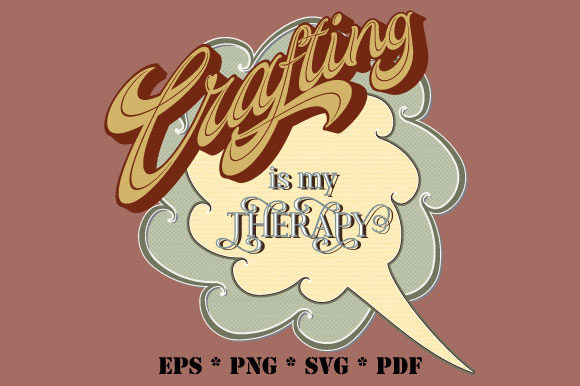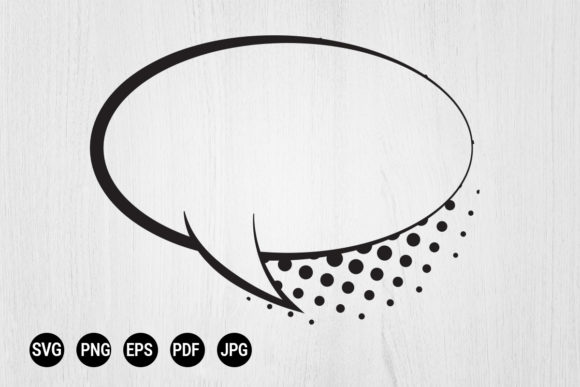
Retro Empty Comic Bubble
I have spent years reviewing digital assets for my own embroidery shop, and I can tell you that the difference between a good design and a great one often comes down to versatility. When I first opened the Retro Empty Comic Bubble, my initial reaction was one of cautious optimism. It is not just another generic shape; it carries a specific mood that feels nostalgic yet fresh. The clean lines and the classic speech bubble silhouette immediately suggest a project that needs personality without overwhelming the viewer with clutter. For an experienced designer, this file is a potential workhorse, but like any tool, its success depends entirely on how you deploy it in a real-world scenario.
From Screen to Stitch: The First Impression
The visual personality of the Retro Empty Comic Bubble is its strongest asset. It screams vintage comic book vibes, which makes it perfect for storytelling designs. Unlike modern geometric shapes that feel sterile, this bubble invites text or imagery inside it. When I looked at the vector paths, they seemed smooth enough for high-resolution output, which is crucial for machine embroidery. However, the simplicity is also a double-edged sword. Because there are no internal details within the bubble itself, the entire visual weight rests on the stitch quality and the thread choice. If you use a cheap thread or a low-density fill, the retro charm will vanish instantly, leaving a muddy, undefined blob. But if executed correctly, it offers a crisp, professional look that elevates the perceived value of any finished product.
Real-World Application: The Custom Tote Bag Project
To truly test the capabilities of this design, let's imagine a practical scenario. I recently received a rush order from a local boutique owner who wanted custom tote bags for a summer market. She needed something that felt handmade but had a playful, approachable vibe. She chose to use the Retro Empty Comic Bubble as the central element on natural canvas totes. Her plan was to embroider a fun slogan inside the bubble using a contrasting thread color.
In this context, the design performed admirably. The open space allowed us to place a bold, sans-serif font inside the bubble without worrying about the stitches clashing with complex background patterns. The result was a cohesive piece that looked like a high-end graphic tee rather than a mass-produced item. Customers stopped at our booth specifically because the embroidery popped against the fabric texture. The bubble acted as a frame, drawing the eye directly to the message. This kind of clarity is what separates a hobbyist project from a commercial-grade product. It proves that even simple Print Templates and Graphics can drive sales when applied with strategic intent.
Navigating Fabric Challenges and Hoop Sizes
However, not every project is a sturdy canvas tote. As an embroidery reviewer, I must warn you about where this design might struggle. The Retro Empty Comic Bubble relies heavily on the integrity of its outline. On stretchy fabrics like jersey t-shirts or thin knits, the tension required to hold the shape can cause the fabric to pucker, distorting the perfect curve of the bubble. If you are working on a baby onesie made of soft cotton, you need to be extremely diligent with your stabilizer choices. A tear-away might not be enough; a cut-away stabilizer is often necessary to prevent the bubble from warping after the first wash.
Hoop size is another critical factor. While the design scales well, attempting to stitch this on a small hoop, such as those used for socks or tiny patches, can lead to frustration. The corners of the bubble, though rounded, still require enough needle travel to maintain their shape. If the design is too large for the hoop, you risk losing the top or bottom curves during repositioning. Furthermore, on dark fabrics, the contrast becomes a major issue. Unless you choose a bright, saturated thread or use a satin stitch technique that lays thickly, the bubble might get lost in the background. Always test your thread colors against the fabric before committing to a full production run.
Technical Considerations for Commercial Success
When integrating the embroidery file into your workflow, especially for commercial embroidery projects, you must pay attention to stitch density. A dense fill stitch inside the bubble can create a heavy, stiff area that might not drape well on a sweatshirt. Conversely, a running stitch outline might look too delicate for a rugged apron. You need to match the stitch type to the garment's purpose. For a holiday gift like a pillow cover, a mix of satin stitch for the border and a light fill for the interior could work beautifully. But for a kitchen towel that sees daily washing, you want durability over flashiness.
It is also vital to consider the end-user experience. A customer buying a personalized gift wants to know that the design will last. If the Retro Empty Comic Bubble is stitched too tightly, the fabric beneath it may become rigid and uncomfortable. This is particularly important for baby embroidery where softness is a priority. Always inspect the back of your work to ensure the stabilizer has been trimmed properly and that there are no loose threads that could snag on clothing. Professional presentation starts with a clean finish.
Strategic Usage for Craft Business Owners
For Etsy sellers and small shop owners, the digital embroidery file offers a versatile asset for creating design assets that can be adapted quickly. You can use the same bubble shape to create a series of matching products—a cap, a tote bag, and a tea towel—creating a recognizable brand identity. The retro theme resonates well with current trends, making it an excellent choice for holiday embroidery collections or wedding gifts that need a touch of whimsy. However, remember that the design is only as good as the execution. Do not assume that the file will work perfectly out of the box without testing.
Before listing any handmade product featuring this design, run a mockup in black and white to check the balance. Does the bubble dominate the composition, or does it support the text? Is the negative space sufficient to allow the eye to rest? These questions are essential for maintaining brand consistency and building buyer trust. A sloppy stitch job can ruin the perception of quality, regardless of how cute the design concept is.
Final Verdict on Design Potential
The Retro Empty Comic Bubble is a solid addition to any library of graphics for the serious crafter or business owner. It offers a timeless aesthetic that works across various categories, from custom apparel to embroidered patches. Its strength lies in its ability to frame content effectively, allowing you to focus on the message rather than fighting with complex background elements. Just remember to respect the limitations of the fabric and the machine. Test your stitch density, verify your hoop size, and always prioritize the tactile quality of the finished product.
If you approach this design with the right technical preparation, it can elevate your craft business to a new level of professionalism. Whether you are creating a unique personalized gift for a friend or a line of merchandise for your online store, this bubble provides a reliable foundation. It is a reminder that sometimes, the simplest shapes carry the most power in the world of textile art.