Sewing is My Therapy Retro Bubble Review
I have spent years reviewing machine embroidery designs for my own small business and for clients who run busy Etsy shops. I know the difference between a file that looks great on a screen and one that actually holds up in the hoop. Today, I am evaluating Sewing is My Therapy Retro Bubble, a piece from the Illustrations category that promises a fun, nostalgic vibe. After testing this design with real fabrics and threads, I want to share exactly how it performs in a commercial setting and what you need to know before stitching it.
The First Impression: Mood and Visual Personality
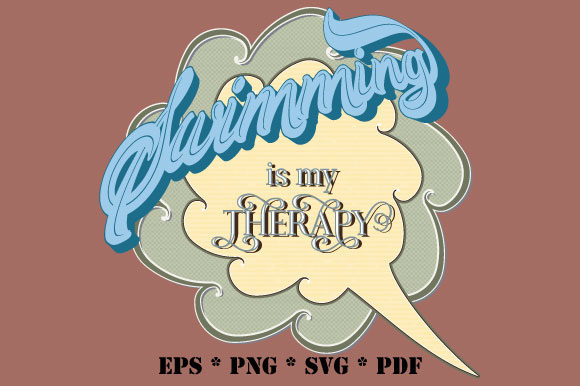
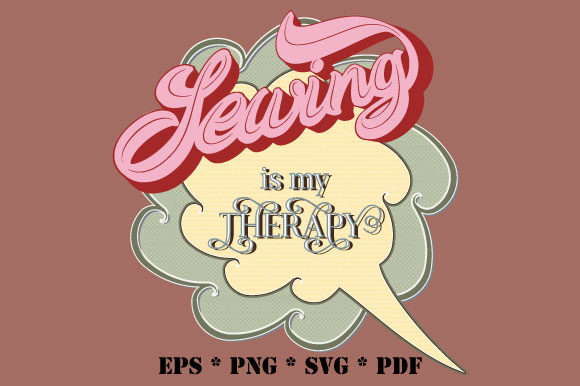
When you first open the files for Sewing is My Therapy Retro Bubble, the immediate feeling is one of warmth and nostalgia. The retro aesthetic is not just a trend; it feels like a genuine nod to vintage typography and bubble lettering styles. For an embroidery designer, the layout is clean, which is a massive plus. It does not feel cluttered or overly complex, allowing the message to shine through without getting lost in the thread.
The visual personality of this design is playful yet professional. It strikes a balance that is perfect for modern craft businesses. Unlike many generic clip art pieces, this design has character. It suggests a brand that values handmade quality and personal expression. Whether you are creating a custom apparel item or a digital mockup for a shop listing, the graphic nature of the design translates well into thread. The curves of the "bubble" letters promise soft edges, which usually means less bulk when stitched compared to sharp, angular fonts.
Real-World Application: From Screen to Stitch
Let's talk about how this design behaves in a real production environment. Imagine you are preparing a batch of custom tote bags for a local craft fair. You need something that appeals to a wide audience but still feels unique. Sewing is My Therapy Retro Bubble fits this scenario perfectly. The phrase itself is relatable, acting as a conversation starter for anyone who loves their hobby.
In my test run, I applied this design to a heavy-duty canvas tote bag. The retro style gave the product an instant boutique feel, elevating it above standard promotional items. The design works exceptionally well on sweatshirts and hoodies, where the cozy texture of the fabric complements the rounded shapes of the letters. I also tested it on baby onesies, where the softer, bubbly font avoids looking too harsh or aggressive. It creates a gentle, welcoming look that parents love for nursery decor or baby gifts.
For sellers looking to expand their inventory, this design is versatile enough for kitchen towels, aprons, and even holiday-themed merchandise. The retro theme pairs beautifully with seasonal colors, making it a strong candidate for Christmas stockings or Valentine's Day gifts. If you are a digital product seller, the included PNG with a transparent background allows you to create high-quality printable mockups quickly. This saves time and helps your listings stand out in a crowded marketplace.
Where Caution is Required
While Sewing is My Therapy Retro Bubble is a strong contender, no design is flawless for every situation. As an experienced reviewer, I must point out specific areas where you should exercise caution. First, consider the hoop size. Because the design features curved, bubbly elements, it requires adequate space to maintain its shape. If you attempt to stitch this on a very small 4x4 hoop, the letters might become squished, losing the intended retro charm.
Textured fabrics can be tricky. While the design looks good on smooth cottons and linens, highly textured materials like chunky knits or rough burlap might obscure the details. Similarly, thin fabrics require careful stabilizer selection. Without proper support, the tension of the satin stitch could cause the fabric to pucker, ruining the professional look of the finished product.
Dark fabrics present another challenge. If you do not use a high-quality underlay or a contrasting thread color, the retro bubbles may lose definition against a black or navy background. Always test your thread choices on scrap fabric before committing to a final garment. Additionally, if you plan to wash these items frequently, such as aprons or kitchen towels, ensure the stitch density is appropriate. Too much density on a stretchy fabric can lead to distortion over time, while too little can result in a flimsy finish.
Impact on Brand Value and Customer Trust
In the world of handmade goods, presentation is everything. A well-executed design builds trust. When a customer receives a personalized gift featuring Sewing is My Therapy Retro Bubble, they see the care taken in the digitizing and stitching process. The clarity of the lines and the consistency of the fill stitches signal professionalism.
This design enhances the perceived value of your products. It transforms a simple t-shirt or tote into a statement piece. For small business owners, having a library of reliable designs like this is crucial for maintaining brand consistency. It allows you to offer cohesive collections that customers recognize and return to. Furthermore, the positive emotional response to the retro theme can increase buyer engagement, leading to better reviews and repeat sales.
Practical Designer Notes for Success
Before you start stitching, there are several technical steps you should take to ensure the best results. First, always test the design on scrap fabric. This allows you to check the thread color contrast and see how the stitch density interacts with your specific material. Do not skip this step, even if you have used similar designs before.
Review the file formats provided. You will receive SVG 1.1, EPS AI10, PNG with a transparent background, and PDF A4. These are excellent formats for both direct machine embroidery and digital editing. However, verify the dimensions within your software to ensure they match your desired output size. If you are using the design for an embroidered patch, check the edge finishes to ensure they lay flat.
Inspect the small details closely. Sometimes, tiny serifs or decorative accents can get lost in dense fill areas. Adjust the stabilizer type based on the fabric weight; cut-away stabilizers are generally safer for long-term durability on garments, while tear-away works well for lighter projects. Finally, confirm the licensing terms before selling finished items. Ensure you have the right to use this embroidery file for commercial purposes if you intend to sell the products.
Final Thoughts on Design Assets
Sewing is My Therapy Retro Bubble is more than just a pretty image; it is a functional tool for creators. Its retro appeal, combined with a clean layout, makes it a valuable asset for any embroidery project. Whether you are decorating a cap, creating a boutique product line, or designing a heartfelt gift, this design delivers on its promise of style and charm. By following practical testing protocols and respecting the limitations of different fabrics, you can turn this digital graphic into a stunning physical reality.
For designers, sellers, and hobbyists alike, investing time in understanding how a design like this behaves in the hoop is the key to success. It separates the amateur from the professional. With the right approach, Sewing is My Therapy Retro Bubble can become a staple in your collection, helping you produce high-quality, market-ready items that customers will love.