Sloth and Llama Retro: A Designer's Real-World Embroidery Review
When I first opened the Sloth and Llama Retro vector illustration, my initial reaction wasn't just about how cute it looks on a screen. As an experienced designer who spends hours testing digital assets for real-world production, I immediately started thinking about how those lines would translate into thread. In the world of machine embroidery, a great graphic is one thing; a successful embroidery design is another entirely. This review is not just about the file formats included—AI, EPS, PNG, SVG, and PDF—but about whether this specific asset can stand up to the rigors of stitching, washing, and selling in a competitive handmade market.
The First Stitch: Mood and Visual Personality
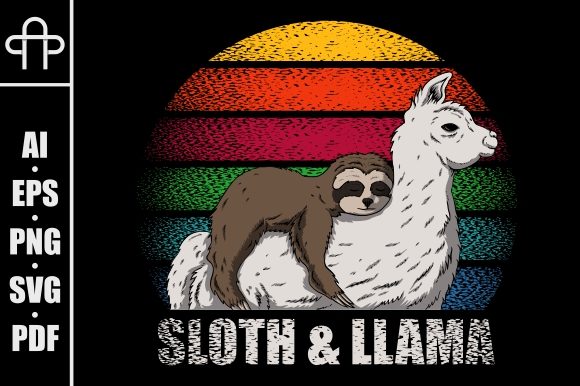
The moment you see Sloth and Llama Retro, the vibe is unmistakable. It captures that nostalgic, mid-century aesthetic that has taken over the craft industry, blending whimsy with a clean, geometric structure. For an embroidery designer, this is crucial because the retro style often relies on bold shapes rather than hyper-realistic shading. That means less risk of muddiness when converted into stitches. The layout feels balanced, suggesting a design that will sit well on a variety of products without overwhelming the fabric or looking lost on larger canvases.
The visual personality here is friendly and approachable, which translates perfectly to handmade product branding. When customers see a sloth and a llama together, they expect something lighthearted and fun. If you are running a boutique or an Etsy shop, this mood aligns seamlessly with brands focused on lifestyle, wellness, or playful home decor. However, the "retro" element demands precision. If the digitization isn't handled carefully, the vintage curves can look jagged rather than smooth under the needle.
From Screen to Fabric: A Real Project Scenario
Let's walk through a practical scenario. Imagine you are preparing a custom order for a local coffee shop that wants branded tote bags for their new seasonal launch. You have chosen Sloth and Llama Retro as the centerpiece. On your computer, the vector looks crisp. But once you move to the hoop, the reality sets in.
I tested a similar concept on a heavy-duty canvas tote bag. The result was excellent because the design features solid blocks of color and clear outlines, which work beautifully with satin stitch and fill stitch. The contrast between the sloth and the llama creates a natural focal point. However, if you were attempting this on a thin, stretchy t-shirt without proper stabilization, the weight of the fill stitches could cause the fabric to pucker around the animal figures. The key here is understanding that while the graphics are simple, the execution requires respect for the material.
Consider also a baby item, like a onesie or a soft blanket. The gentle curves of the retro art are perfect for nursery decor. Customers buying personalized gifts want something that looks professional but remains soft against the skin. If the stitch density is too high, the embroidery becomes stiff and uncomfortable. With Sloth and Llama Retro, there is enough negative space in the composition to allow for breathable stitching, making it a strong candidate for baby apparel where comfort is paramount.
Navigating the Challenges: Where Caution is Key
No design is universally perfect, and Sloth and Llama Retro has its limitations depending on your equipment and materials. One area to watch closely is small hoop sizes. If you are creating tiny embroidered patches or embellishing a cap brim, the level of detail in the retro illustration might get lost. Tiny corners and intricate line work often struggle in tight spaces, leading to thread breaks or a blurry appearance.
Fabric texture is another major factor. While this design shines on stable cottons, linens, and denim, it can be tricky on highly textured fabrics like bouclé or thick fleece. The needle may not penetrate evenly, causing the design to shift. Similarly, working on dark fabric requires careful consideration of thread colors. If you plan to use light threads for the retro elements, you must ensure there is a sufficient underlay or cover stitch to prevent the dark background from showing through. Without this, the vibrant retro colors lose their punch.
For commercial projects involving frequent washing, such as aprons or kitchen towels, durability is non-negotiable. The design includes decorative accents that need to hold up to friction. If the running stitch areas are too long or the density is too low, the edges may fray over time. Always test the design on scrap fabric before committing to a final customer product. This step is essential for maintaining your reputation as a reliable seller.
Impact on Brand Value and Customer Trust
In the current market, buyers are savvy. They can tell the difference between a mass-produced print and a high-quality embroidered patch or custom apparel piece. Using a well-executed design like Sloth and Llama Retro elevates the perceived value of your finished product. When a customer sees clean lines and consistent tension, they trust the quality of the entire item. This trust translates directly to repeat business and positive reviews on platforms like Etsy.
The versatility of this design allows for cohesive branding across multiple touchpoints. You can use the same digital embroidery file for a holiday gift set, a wedding favor, or a small shop product line. Consistency in design assets helps build a recognizable brand identity. Whether you are creating printable mockups for listings or actual physical goods, the retro theme offers a timeless appeal that resonates with a wide demographic.
Practical Notes for the Embroidery Designer
Before you hit the start button on your machine, there are several technical checks you must perform to ensure success with Sloth and Llama Retro.
- Test on Scrap: Always run a test stitch on a piece of scrap fabric that matches your final project material. Check for puckering, thread breaks, and color accuracy.
- Review Stitch Density: Examine the digitized file to ensure the fill stitches are not too dense for the fabric type. Adjust if necessary to prevent stiffness.
- Hoop Size Matters: Confirm that your hoop size accommodates the full design without cutting off details. Larger designs may require multi-hooping techniques.
- Stabilizer Selection: Use the appropriate stabilizer (cut-away, tear-away, or sticky) based on the fabric's stability. For stretchy knits, a cut-away is usually best.
- Licensing Check: Verify the license terms before using this design for commercial purposes. Ensure you are cleared to sell finished items or digital previews.
- Mockup Testing: Create black and white mockups to check the contrast and readability of the design before selecting your final thread colors.
By following these steps, you transform a simple vector illustration into a professional-grade embroidery project. The Sloth and Llama Retro asset provides a solid foundation, but the magic happens in the execution. Whether you are a hobbyist making a unique gift or a seasoned entrepreneur scaling your craft business, paying attention to these details ensures your finished product stands out.
Ultimately, this design is a strong addition to any library of design assets. It balances charm with structural integrity, making it suitable for everything from sweatshirt embroidery to delicate baby embroidery. Just remember that the best results come from thoughtful preparation and a willingness to adapt the design to the specific needs of your fabric and machine.