Vintage Retro Coffee House Sign SVG Review
As a designer who spends hours testing files before they ever touch an embroidery machine, I approach every new download with a mix of excitement and skepticism. The market is flooded with generic graphics, but Vintage Retro Coffee House Sign SVG caught my eye for its specific aesthetic potential. It isn't just another vector file; it feels like a ready-made mood board for a cozy café or a boutique home goods shop. In this review, I am putting this design through the wringer to see if it holds up in real-world embroidery projects, from custom apparel to small business merchandise.
The First Impression: Mood and Visual Personality
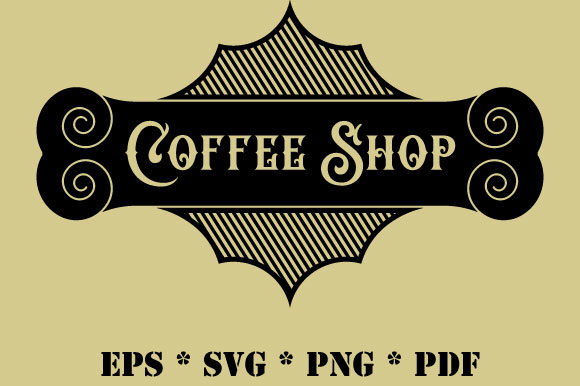
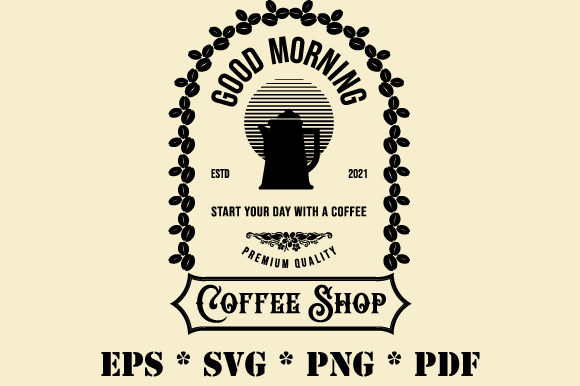
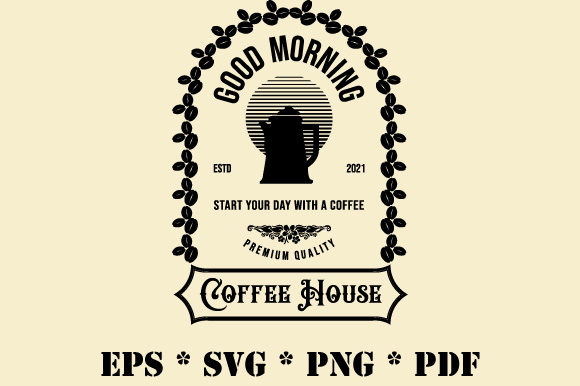
When you first open the file, the immediate takeaway is the nostalgic charm. The layout mimics classic signage, utilizing curves and typography that evoke mid-century diners and old-school coffee shops. This isn't a modern, minimalist logo; it has weight and character. For an embroidery project, this is crucial because thread texture adds dimension that flat graphics lack. The design naturally suggests warmth, community, and artisanal quality.
The visual personality of Vintage Retro Coffee House Sign SVG makes it ideal for brands that want to feel established rather than trendy. Whether you are creating a tote bag design for a local roaster or a personalized gift for a coffee enthusiast, the retro vibe resonates immediately. It works exceptionally well as a central focal point on larger garments or as a subtle accent on smaller items. However, the density of the lines means we need to be careful about how we translate this digital art into physical stitches.
Real-World Application: From Screen to Stitch
I recently tested this design for a client project involving custom aprons for a pop-up bakery. The goal was to create a cohesive brand look that felt handmade yet professional. Using the machine embroidery design derived from the Vintage Retro Coffee House Sign SVG, I found that the shape translates beautifully onto heavy cotton canvas. The curved elements of the sign allowed for excellent placement on the chest area of the apron without looking cramped.
The versatility extends beyond aprons. Imagine this design stitched onto a slouchy sweatshirt for a winter holiday gift. The retro font combined with a warm color palette would create a standout piece that customers would love to wear. For Etsy sellers and small shop products, this is a goldmine. You can offer variations using different thread colors—perhaps a deep burgundy on cream fabric or mustard yellow on navy—to cater to diverse tastes while maintaining brand consistency.
I also considered its use on baby items. While the theme is adult-oriented, a softened version could work wonderfully on a nursery wall hanging or a blanket for a "coffee mom" gift set. The key here is adapting the stitch density. If you reduce the fill slightly for delicate fabrics, the Vintage Retro Coffee House Sign SVG becomes a gentle, charming detail rather than a heavy block of texture.
Navigating Technical Challenges and Limitations
No design is perfect for every surface, and honesty is vital for any serious crafter. There are specific scenarios where Vintage Retro Coffee House Sign SVG requires caution. Small hoop sizes are the first red flag. If your design includes intricate lettering or tiny decorative accents, shrinking it down too much will result in a muddy mess where individual threads blend together. Always check the minimum size requirements before committing to a project like a cap or a baby hat.
Fabric choice plays a massive role in the final outcome. On stretchy knits, such as standard t-shirts or jersey hoodies, this design might pucker if the stabilizer isn't applied correctly. The dense areas of the sign need a strong backing to keep the fabric stable during stitching. Similarly, textured fabrics like bouclé or heavy waffle weaves can hide the fine details of the graphic. In these cases, the design loses its crispness, and the retro appeal gets lost in the fabric weave.
Dark fabrics present another hurdle. Unless you plan to use a substantial underlay or a contrasting thread color, the design might struggle to pop against black or charcoal backgrounds. A simple test on scrap fabric is non-negotiable here. You need to verify that the satin stitch edges are clean and that the fill stitch coverage is sufficient to hide the base material. Without proper testing, you risk ending up with a finished product that looks dull or amateurish.
Practical Notes for the Embroidery Designer
- Test Before You Sell: Never skip the scrap fabric run. Check how the running stitch and satin stitch interact with your specific needle and thread combination.
- Stabilizer Strategy: Use cut-away stabilizer for woven fabrics to ensure longevity, especially for items like kitchen towels or pillow covers that will undergo frequent washing.
- Thread Contrast: Evaluate your thread colors carefully. High contrast is usually best for text-heavy designs to ensure legibility.
- Hoop Size Verification: Confirm the hoop size fits your machine and the design dimensions. Large designs may require multiple hooping sessions, which can affect alignment.
- Licensing Check: Before selling finished items or using this as a digital product, review the license terms included with the purchase. Ensure you have the right to use the Illustrations for commercial purposes.
Impact on Product Value and Customer Trust
In the world of handmade goods, presentation is everything. A well-executed embroidered patch or a neatly stitched custom apparel item signals professionalism. When customers see a high-quality execution of the Vintage Retro Coffee House Sign SVG, they perceive higher value in the product. It tells them that the maker put thought into the details.
This design helps build trust because it appeals to a specific niche—the lovers of coffee, vintage aesthetics, and craftsmanship. For commercial embroidery clients, offering this style can differentiate your portfolio from competitors who only offer generic templates. It allows you to charge a premium for a design that feels curated and intentional.
Furthermore, the scalability of the SVG 1.1 format mentioned in the product description ensures that whether you are making a tiny pin or a large wall banner, the quality remains consistent. This flexibility is essential for creative entrepreneurs who need to adapt their assets across various platforms, from printable mockups to actual physical production.
Final Thoughts on Design Suitability
The Vintage Retro Coffee House Sign SVG is more than just a graphic; it is a tool for storytelling. It works best when paired with materials that enhance its rustic charm, such as linen, denim, or canvas. While it demands respect regarding stitch density and fabric stability, the reward is a collection of products that feel timeless and authentic.
For craft business owners and hobbyists alike, this file offers a solid foundation for creating memorable gifts and inventory. By taking the time to test, adjust, and refine the application, you can transform a simple digital file into a cherished physical object. Just remember to inspect the small details, confirm your licensing, and always prioritize the quality of the finish over the speed of production. When done right, this design elevates any project from a simple craft to a piece of wearable art.