Lion Collection Retro: A Designer's Real-World Embroidery Review
There is a specific moment in every embroidery project when the digital file stops being just data and starts becoming a physical reality. I have spent years reviewing Lion Collection Retro, not just as a set of graphics, but as a potential centerpiece for client work, handmade gifts, and boutique inventory. When I first opened the files, the mood was immediately clear: it feels nostalgic yet bold, striking a balance between vintage charm and modern design sensibility. It is not merely an illustration; it is a statement piece that demands attention on fabric.
As a professional designer who frequently tests assets before recommending them to small business owners or Etsy sellers, my goal is to look past the pretty preview images. I need to know how this design holds up under the needle. Does it translate well from a screen to a sweatshirt? Will it survive the wash cycle of a baby onesie? This review breaks down exactly how Lion Collection Retro performs in real-life scenarios, offering practical insights for anyone looking to turn these Graphics into tangible products.
The First Stitch: Visual Impact and Design Personality
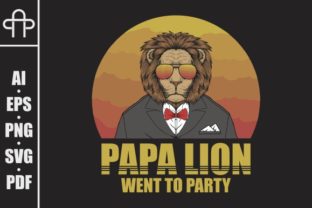
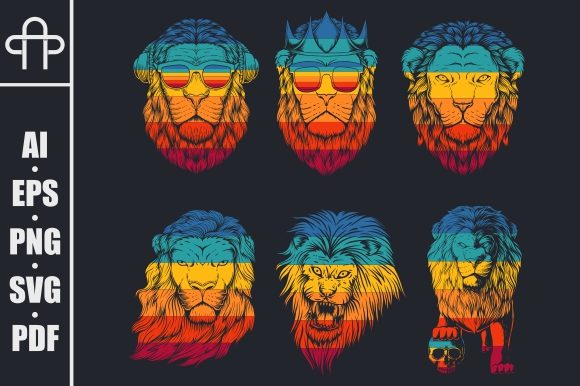
The visual personality of Lion Collection Retro is its strongest asset. The retro aesthetic brings a warmth that fits perfectly with current trends in craft businesses and handmade shops. Unlike stark, modern vector art that can sometimes feel cold on soft goods, this collection invites a sense of comfort and storytelling. Whether you are creating custom apparel for a local brand or designing personalized gifts for a holiday market, the design commands respect without shouting.
In terms of layout and detail level, the files strike a careful balance. The shapes are distinct enough to be recognizable even at smaller scales, which is crucial for items like caps or aprons where space is limited. However, the intricate details require thoughtful execution. The design feels most natural on structured garments like tote bags, denim jackets, or thick cotton towels. It possesses a visual weight that suggests quality, instantly elevating the perceived value of any finished product. When a customer sees this lion motif stitched onto their merchandise, they do not see a generic clip-art image; they see a curated design choice that reflects a cohesive brand identity.
Real-World Application: From Tote Bags to Boutique Merch
I recently tested the application of this collection by conceptualizing a line of eco-friendly tote bags for a craft fair. The Lion Collection Retro files were perfect for this scenario. The bold lines cut through the canvas texture beautifully, creating a high-contrast look that stands out in a crowded booth. For a small shop owner, this kind of reliable design is gold. It allows you to produce consistent branding across multiple items without worrying about the design looking muddy or lost.
Beyond totes, this design shines on sweatshirts and hoodies. The retro vibe pairs exceptionally well with the casual nature of streetwear and loungewear. Imagine a cream-colored hoodie featuring a single, centered chest logo from this collection. It offers a subtle sophistication that appeals to adults while remaining playful enough for children's clothing. For those selling baby items, the design works wonders on nursery decor, such as pillow covers or wall hangings, adding a touch of whimsy that parents love.
The versatility extends to kitchen textiles as well. An embroidered tea towel featuring this lion motif adds a unique flair to a home cook's station. It transforms a functional item into a decorative accent. For commercial embroidery projects, the ability to use these files for both personal and commercial purposes (pending license verification) makes them a valuable asset for designers looking to scale their output. Whether you are fulfilling a bulk order for a corporate gift or crafting a one-of-a-kind patch, the design adapts to the medium effectively.
Where Caution Is Required: Fabric and Size Limitations
While Lion Collection Retro is robust, no design is universal. There are specific situations where this file requires extra care to avoid disappointing results. One of the primary concerns is hoop size. If you attempt to stitch this design on a very small hoop, such as those used for delicate jewelry or tiny accessories, the fine details may become indistinguishable. The curves might tighten, and the texture could get lost, resulting in a muddled appearance rather than the crisp look seen in the preview.
Fabric choice is equally critical. Textured fabrics, like heavy boucle or loose-weave linens, can distort the geometry of the design. The stitches may sink unevenly, breaking the clean lines that define the retro style. Similarly, stretchy fabrics like jersey knits present a challenge. Without proper stabilization, the tension of the machine can cause the design to pucker or warp, ruining the silhouette of the garment. For dark fabrics, thread color contrast becomes a major factor. If the background is black, using light threads might require additional layers of stitching to ensure opacity, which increases the risk of puckering if the stabilizer is not chosen correctly.
Curved surfaces, such as baseball caps, also demand precision. While the design looks great on flat surfaces, transferring it to a curved crown requires careful digitization adjustments that go beyond simply loading the file. Dense stitch areas within the lion's mane or facial features can create stiffness, making the fabric uncomfortable against the skin. This is particularly important for baby embroidery or wearable items that will be in constant contact with sensitive skin. In these cases, the density must be reviewed to ensure the final product remains soft and pliable.
Practical Notes for the Embroidery Designer
Before committing to a full production run, I always recommend a rigorous testing phase. Start by stitching the design on scrap fabric that matches your intended project material. This simple step reveals issues with thread tension, stabilizer choice, and fabric distortion that you cannot predict from a digital mockup. Check the thread colors carefully; the contrast between the thread and the fabric must be sharp to maintain the integrity of the Illustrations.
Review the stitch density closely. High-density fill stitches are necessary for durability, but too much density can make the fabric stiff. Ensure your hoop size accommodates the entire design without cutting off edges. Inspect small details to confirm they are legible after stitching. It is also wise to test the design in black and white mockups to verify that the composition works regardless of color variations. Compare how the design appears on both light and dark backgrounds to ensure versatility.
Using the proper stabilizer is non-negotiable. Cut-away stabilizers often provide the best support for dense designs on stretchy materials, while tear-away may suffice for stable fabrics. Always confirm whether the licensing terms allow for commercial use if you plan to sell finished items or digital products. Verify the file formats included—AI, EPS, PNG, SVG, and PDF—to ensure compatibility with your software and machine. If the design includes applique elements, plan your layering sequence meticulously to achieve the desired depth.
Final Thoughts on Value and Professionalism
Ultimately, Lion Collection Retro represents more than just a download; it is a tool for building trust and professionalism. When a customer receives a handmade product with a clean, well-executed design, they are more likely to return and recommend your shop. The design enhances the visual appeal of your portfolio, making your offerings stand out in a saturated market. It signals to buyers that you pay attention to detail and care about the quality of your finished product.
For Etsy sellers, craft fair vendors, and creative entrepreneurs, this collection offers a reliable foundation for creating unique, high-value items. Whether you are producing holiday gifts, wedding favors, or everyday accessories, the retro lion motif adds a layer of character that resonates with audiences. By approaching the project with the right preparation and technical knowledge, you can transform these digital assets into cherished keepsakes. The key lies in respecting the limitations of the medium while leveraging the strength of the design to create something truly special.