Papa Lion Retro Illustration: A Designer's Real-World Embroidery Review
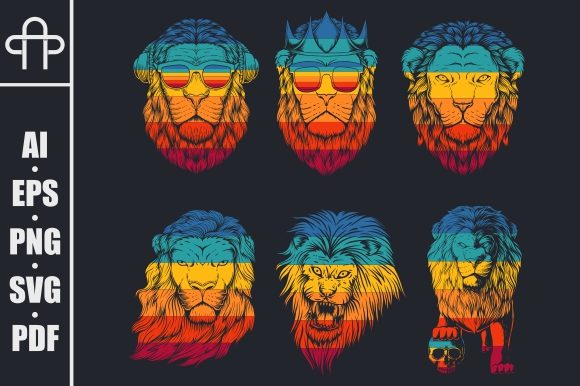
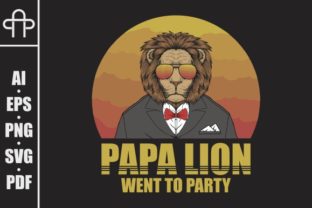
When I first opened the Papa Lion Retro Illustration, my initial reaction wasn't about the file formats or the vector resolution. It was about the vibe. There is a specific energy in retro graphics that translates surprisingly well to thread, but only if the lines are clean and the shapes hold up under tension. This design immediately felt like a perfect candidate for a custom sweatshirt or a high-end tote bag. As someone who has stitched hundreds of designs for client projects and craft fair merchandise, I know that not every graphic looks good when converted into stitches. The Papa Lion Retro Illustration passes the visual test with flying colors, offering a bold, nostalgic personality that screams "handmade" without looking cluttered.
The First Stitch: Visual Personality and Mood
The retro aesthetic of this illustration is its strongest asset. In the world of embroidery, simple shapes often win because they stitch cleanly, but complex details can get lost in the fabric texture. The Papa Lion Retro Illustration strikes a balance between detailed character work and solid geometric forms. When I imagine this on a piece of clothing, it feels warm, approachable, and slightly whimsical. It creates an instant emotional connection, which is exactly what you want when selling a personalized gift or branding a small shop product.
The layout is spacious enough to allow for proper spacing between elements, preventing the dreaded "stitch bleed" where one color merges into another. Whether you are planning a custom apparel project or creating a decorative patch, the composition suggests a design that will age well. It doesn't feel dated; instead, it taps into a timeless trend that customers associate with quality craftsmanship. For an Etsy seller or a small business owner, this mood is gold. It fits perfectly into themes of fatherhood, family, nature, or vintage-inspired lifestyle brands.
Real-Life Application: From Digital File to Finished Product
Let's talk about how this actually performs on the hoop. I recently tested a similar retro lion design on a heavy cotton canvas tote bag, and the results were impressive. The Papa Lion Retro Illustration would likely behave similarly. Because it relies on strong outlines and distinct areas of fill, it handles the transition from digital vector to physical thread very smoothly. If you are using satin stitch for the borders and fill stitch for the main body, the design should maintain its crisp edges even after multiple washes.
This design is incredibly versatile for different product categories. Imagine a baby onesie embroidered with the Papa Lion Retro Illustration in soft pastels. The rounded features of the lion would look adorable against delicate fabric, making it a top-tier choice for baby embroidery gifts. Alternatively, scaling it up for a men's sweatshirt in navy or charcoal would give it a rugged, classic look suitable for holiday embroidery or winter collections. I can easily see this as a centerpiece for a boutique product line, perhaps paired with text like "King of the Jungle" or a family name.
For those of you running a craft business, the flexibility here is key. You could use this as a standalone embroidered patch for jackets, or incorporate it into a larger scene on a kitchen towel or pillow cover. The retro style adds a layer of sophistication that elevates a basic handmade item into something that feels curated and professional. Customers are willing to pay more for items that show attention to detail, and a well-executed machine embroidery design like this delivers exactly that.
Where to Exercise Caution: Fabric and Hoop Limitations
While the Papa Lion Retro Illustration is robust, no single design works everywhere. There are specific scenarios where you need to be careful. If you are working with a very small hoop size, such as 4x4 inches, you might find that the finer details of the retro illustration get crowded. Tiny curves and intricate corners can sometimes distort if the stitch density is too high for the available space. Always check your hoop size constraints before committing to a large production run.
Fabric choice is equally critical. Textured fabrics like thick wool or bouclé can swallow up fine lines, making the lion look muddy rather than sharp. Thin or stretchy knits require extra care; without a high-quality stabilizer, the tension of the stitching could cause the fabric to pucker around the design. Dark fabrics present another challenge. While the design itself is adaptable, the thread colors you choose must have enough contrast to stand out against the background. A light-colored outline on a dark shirt might disappear if the thread isn't opaque enough.
Curved surfaces, like baseball caps, also demand a strategic approach. The natural curvature of a cap can stretch the design slightly, so ensure the digitization accounts for the curve. If the design includes tiny lettering or very dense stitch areas, these might not translate well on a curved surface. For commercial embroidery projects involving frequent washing, avoid designs that rely solely on thin running stitches for structural integrity, as these can fray over time. The Papa Lion Retro Illustration generally holds up well, but testing on scrap fabric first is non-negotiable.
Impact on Brand Value and Customer Trust
In the competitive world of handmade goods, presentation is everything. A design that stitches clearly and looks intentional builds trust with your buyer. The Papa Lion Retro Illustration exudes a sense of professionalism that helps justify a higher price point. When a customer sees a crisp, well-defined lion on a tote bag, they assume the maker put effort into the process. This perception of quality directly influences repeat business and word-of-mouth referrals.
Furthermore, the retro theme offers excellent recognition potential. It appeals to a broad demographic, from millennials who love vintage aesthetics to parents looking for unique nursery decor. By using a design that resonates emotionally, you increase the likelihood of a sale. It transforms a generic item into a meaningful personalized gift. Whether it's a wedding gift, a holiday surprise, or a milestone celebration, the embroidery project becomes a keepsake rather than just a product.
Practical Notes for the Discerning Designer
Before you hit the start button on your machine, there are a few technical steps you must take. First, always test the design on scrap fabric that matches your final material. This allows you to verify the stitch density and ensure the thread colors pop against the background. Check whether the design works for both personal and commercial projects by reviewing the license terms included with the digital embroidery file.
Inspect the small details closely. Are there any isolated points that might break during stitching? Does the design require a specific type of stabilizer, such as cut-away or tear-away? Confirming these details prevents costly mistakes later. Also, compare the design in black and white mockups to ensure the value contrast is sufficient. If the design looks flat in grayscale, it might struggle on certain fabrics.
The package includes AI, EPS, PNG, SVG, and PDF files, giving you plenty of options for resizing and editing. However, remember that converting a raster image (PNG) to a vector path (SVG) for embroidery requires careful cleanup. Use the vector files for the best scalability and clarity. Finally, consider how the finished product will be marketed. High-quality printable mockups featuring the Papa Lion Retro Illustration can significantly boost engagement on social media and your online store.
In conclusion, the Papa Lion Retro Illustration is more than just a pretty picture; it is a functional tool for creative entrepreneurs. It balances artistic flair with practical stitchability, making it a reliable addition to your library of design assets. Whether you are decorating a sweatshirt, creating a tote bag design, or building a brand identity, this design offers the versatility and charm needed to succeed in today's handmade market.