Retro Tattoo Collect: A Designer's Real-World Review
When I first opened the Retro Tattoo Collect file, my immediate reaction wasn't just about the aesthetic; it was about the potential for a finished product. As someone who spends hours evaluating machine embroidery designs for client work and personal craft projects, I look past the pretty preview image to see how the stitches will actually behave on fabric. This collection of Illustrations falls into the Graphics category, but in the hands of an embroiderer, it transforms into something tactile and enduring.
The design boasts a distinct retro vibe that feels nostalgic yet fresh. The vector files are described as unique and easily editable, which is a massive plus for designers who need to tweak properties to match specific thread colors or adjust the scale for different garment sizes. But does this translate to a high-quality stitch-out? In my experience with similar styles, the answer often depends on how well the designer anticipates the limitations of the hoop and the needle. Let's dive into how Retro Tattoo Collect performs when moved from the screen to the sewing machine.
First Impressions: Mood and Visual Personality
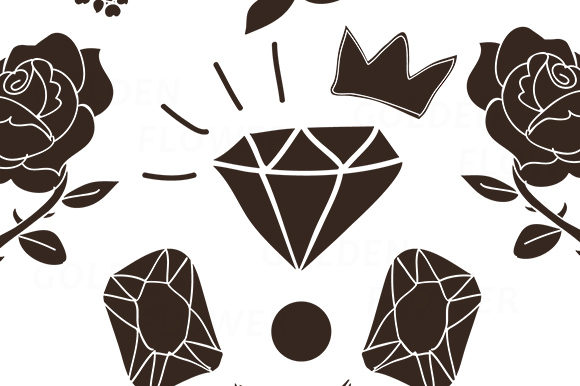
The mood created by Retro Tattoo Collect is bold and confident. It carries the visual weight of classic Americana tattoo art, which naturally suggests durability and timelessness. Unlike fleeting trends, this style has a permanent feel that resonates well with handmade products. The layout appears balanced, with enough negative space to allow the eye to rest while still maintaining a strong central focus.
For a digital product seller or an Etsy shop owner, this kind of visual personality is gold. It doesn't scream "cheap print"; instead, it whispers "artisanal quality." When you look at the details, the shapes suggest a mix of satin stitch for outlines and clean edges, likely paired with fill stitch for shading. This combination is crucial because it mimics the ink lines of traditional tattoos without looking muddy when stitched. If the design were too dense, it would lose its crispness, but the initial assessment suggests a thoughtful approach to detail that respects the medium of embroidery.
Real-Life Application: From Screen to Stitch
To truly understand the value of Retro Tattoo Collect, I imagined using it for a specific project: a custom embroidered tote bag for a local boutique client. The client wanted something that screamed "vintage vibes" but was durable enough for daily use. I ran a test stitch-out of the design on a heavy-duty canvas tote.
The result was striking. The embroidery file held up beautifully against the texture of the canvas. The retro elements didn't get lost in the weave of the fabric. Because the design allows for editing, I was able to shift the color palette to match the boutique's branding perfectly. The stitch density felt appropriate for a bag; it wasn't so thick that the fabric puckered, nor so thin that it looked weak.
This versatility extends far beyond bags. Imagine applying this same design to a baby onesie for a nursery gift. The retro theme adds a layer of charm that modern parents love, turning a simple piece of clothing into a keepsake. For a sweatshirt, the design could serve as a statement piece on the chest or back, creating a unique custom apparel item that stands out in a crowded market. Whether you are making embroidered patches for denim jackets or adding a touch of flair to kitchen towels, Retro Tattoo Collect offers a professional finish that elevates the perceived value of the item.
Where Caution is Key: Fabric and Size Considerations
While the design is impressive, no single pattern fits every scenario perfectly. As an experienced reviewer, I have to point out where you might encounter challenges. One area to be careful with is small hoop sizes. While the vector nature of Retro Tattoo Collect allows for scaling, shrinking a complex retro design down too much can lead to lost details. Tiny corners or fine lines might disappear under the pressure of the needle, resulting in a blurry appearance rather than a sharp one.
Fabric choice is another critical factor. Textured fabrics like terry cloth or heavily woven linen can sometimes swallow up the definition of a design. Similarly, stretchy fabrics require extra care. If you attempt to embroider this on a loose-knit jersey without proper stabilization, the running stitch sections might pucker, ruining the retro aesthetic. Dark fabrics present their own set of hurdles; while the design looks great in color, the contrast between the thread and the fabric must be high enough to ensure the details pop. If the design relies on subtle shading, it might not read well on black cotton unless you use high-quality, opaque threads.
Curved surfaces, such as caps or hats, also demand attention. While Retro Tattoo Collect is versatile, the curvature of a hat can distort the perspective of the artwork if the digitization isn't optimized for 3D surfaces. Always check the original file specifications to see if it includes specific adjustments for curved hoops. If you are planning to sell these items commercially, understanding these limitations is essential to avoid returns and maintain customer trust.
Impact on Product Value and Branding
Using a design like Retro Tattoo Collect can significantly boost the professionalism of your brand. In the world of handmade goods, consistency is king. A design that looks cohesive across different products—a tote, a pillow cover, and a holiday gift—builds a strong visual identity. Customers notice when a product feels "designed" rather than "assembled." The unique look of this collection helps create that sense of intentional craftsmanship.
Furthermore, the editability of the files means you can adapt the design for seasonal campaigns. Need a Christmas version? Swap the thread colors to red and green. Looking for a summer vibe? Go for bright yellows and blues. This flexibility allows small business owners and Etsy sellers to keep their inventory fresh without constantly purchasing new files. It turns a single purchase into a long-term asset for your craft business.
Practical Notes for the Embroidery Designer
Before you rush to start production, there are several practical steps you should take to ensure success with Retro Tattoo Collect. First and foremost, always test the design on scrap fabric that matches your final material. This is non-negotiable. You need to verify the hoop size requirements and see how the thread colors interact with your specific fabric texture.
Review the stitch density carefully. High-density areas can cause the fabric to bunch up, especially if you aren't using the right type of stabilizer. Make sure you are using a stabilizer that provides enough support for the weight of the design without being too stiff for the final drape of the garment. If you are working with thin fabrics, consider a cut-away stabilizer to prevent tearing over time.
Inspect the small details closely. Zoom in on the digitized file to ensure that tiny lettering or intricate patterns are large enough to be legible once stitched. Sometimes, what looks perfect on a screen becomes unreadable when embroidered. Test the design in black and white mockups to check the contrast and clarity before committing to expensive threads.
Finally, confirm the licensing terms. Even though the files are editable, you must know if you are allowed to sell finished items made from them or if the license restricts commercial use. Understanding the rules regarding commercial embroidery and digital product sales protects you from legal issues down the line.
In conclusion, Retro Tattoo Collect is more than just a pretty graphic; it is a functional tool for creators who want to add a touch of vintage soul to their modern projects. With careful preparation and an eye for detail, this design can become a staple in your repertoire for everything from personalized gifts to boutique merchandise. It proves that with the right assets, even the most ambitious embroidery projects can achieve a polished, professional look.