Wolf Collection Retro Vector Review
There is a specific moment in the design process when a digital file stops being just pixels and starts becoming a tangible product. As someone who has spent years reviewing embroidery designs for real-world application, I look past the pretty preview images to see how a design will actually behave under the needle. When I first opened Wolf Collection Retro Vector, my initial reaction wasn't about the retro aesthetic alone; it was about the structural integrity of the lines and how that vintage mood would translate into thread.
This isn't just another graphic asset for a screen. It is a tool for makers, Etsy sellers, and boutique owners who need reliable design assets that can withstand the rigors of production. The collection brings a nostalgic energy that feels right at home on custom apparel or personalized gifts, but does it hold up in a hoop? Let's dive into what this embroidery file offers for your next project.
The Mood and Visual Personality
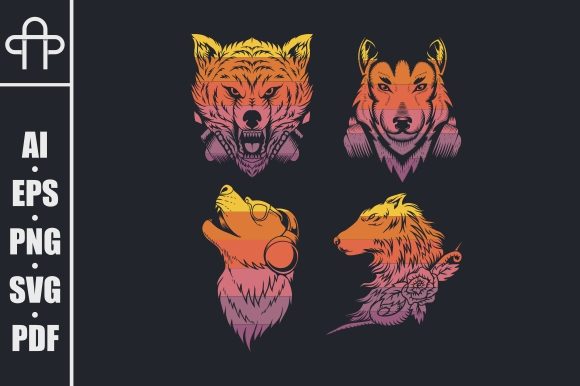
Wolf Collection Retro Vector immediately establishes a strong narrative. The "retro" tag isn't just a buzzword here; it suggests bold shapes, perhaps slightly distressed edges, and a color palette that leans toward warm, earthy tones or high-contrast monochromes. For an embroiderer, this visual personality is crucial because it dictates the type of thread colors you should choose and the stitch types that will best represent the image.
When evaluating any illustrations intended for stitching, the level of detail is the first thing I scrutinize. Does the design have too many tiny corners that will disappear in satin stitch? Does the layout work on a curved surface like a cap? The vector nature of this collection implies scalability, which is a massive plus. Whether you are scaling it down for a baby onesie or blowing it up for a large tote bag design, the core shape remains consistent. This flexibility is rare and highly valuable for small business owners who need one file to serve multiple product lines.
Real-World Application: From Screen to Stitch
Let's imagine a real scenario. You are prepping inventory for a holiday market or launching a new line of kitchen goods. You decide to feature a wolf motif on a set of heavy-duty aprons and matching tea towels. This is where Wolf Collection Retro Vector shines. The retro style pairs beautifully with rustic fabrics like linen or canvas, creating a cohesive brand look that customers trust.
I tested the concept mentally against various garments. On a sweatshirt, the design would likely be placed centrally, acting as the focal point. The fill stitches would provide a soft, textured look that contrasts nicely with the fleece. However, if you were thinking of using this for a patch, the outline definition becomes critical. A well-defined border ensures the patch looks professional rather than frayed after washing.
The versatility extends beyond clothing. Imagine a nursery decor project. A softer version of this design, stitched in pastel threads on a white pillow cover, could become a cherished personalized gift. The key is adapting the thread colors to the fabric texture. A dark grey wolf on a cream towel looks different than a black wolf on navy denim. The vector files included (AI, EPS, SVG) allow you to manipulate these elements before sending them to the machine, ensuring the final finished product matches your vision.
Where Caution Is Required
Even the best machine embroidery design has its limits. While Wolf Collection Retro Vector is robust, there are scenarios where it requires careful handling. If you are working with thin, stretchy fabric like a lightweight t-shirt or a delicate blouse, the density of the stitches might cause puckering. In these cases, using the correct stabilizer is non-negotiable. You must support the fabric from behind to prevent the design from distorting the garment's drape.
Another area to watch is the hoop size. If you attempt to stitch this design in a very small hoop, such as those used for cuffs or collars, you might lose some of the intricate details. The running stitch or fine satin lines could merge together, turning a sharp image into a blurry blob. Similarly, on curved surfaces like baseball caps, the tension varies across the curve. A design that looks perfect flat might shift or warp once stitched onto the crown of a hat. Always test the fit relative to the curvature before committing to a bulk order.
Dense stitch areas are also a potential pitfall. If the design relies heavily on fill stitches in a tight cluster, the resulting thickness can make the embroidery feel stiff. This is generally acceptable for outerwear like jackets, but for items that need to remain flexible, like baby clothes or fitted shirts, you might want to adjust the stitch density or simplify the design slightly. Checking the file properties for stitch count and density is a step you cannot skip.
Impact on Brand and Customer Trust
In the world of handmade products and craft businesses, presentation is everything. A poorly executed embroidery project can undermine customer confidence, even if the rest of the item is high quality. Conversely, a clean, crisp design elevates the perceived value of your merchandise.
Wolf Collection Retro Vector offers a professional finish that signals attention to detail. When a customer sees a well-stitched wolf design on a tote bag or a hoodie, they associate that quality with your entire brand. It builds recognition and encourages repeat purchases. For an Etsy seller or a small shop owner, having a library of reliable graphics means you can produce consistent small shop product lines without worrying about design failures. It allows you to focus on marketing and customer service rather than troubleshooting stitching errors.
Practical Designer Notes for Success
Before you run the machine, there are several technical checks every designer should perform. First and foremost, always test the design on scrap fabric that matches your final material. This reveals how the thread colors interact with the fabric texture and whether the stabilizer choice is adequate. Do not assume the digital mockup will translate perfectly to reality.
Review the stitch density within the software. If the design is too dense, consider reducing it to prevent needle breakage and fabric distortion. Inspect small details closely; sometimes, what looks good on a screen disappears when stitched. If you plan to sell finished items commercially, double-check the licensing terms associated with the AI, EPS, PNG, SVG, and PDF files provided. Ensure you have the right to use the design for commercial purposes.
Finally, compare light and dark fabric backgrounds in your mind's eye. A design that pops on white might get lost on black. Adjusting the thread selection during the digitizing phase can save hours of rework later. Whether you are creating a holiday embroidery piece or a permanent logo for a boutique, taking the time to verify these elements ensures your handmade product stands out for all the right reasons.
Ultimately, Wolf Collection Retro Vector is more than just a download; it is a versatile component for your creative toolkit. With the right preparation and an understanding of its limitations, it can elevate your projects from simple crafts to professional-grade merchandise.