Pig Collection Retro Vector Illustration Review
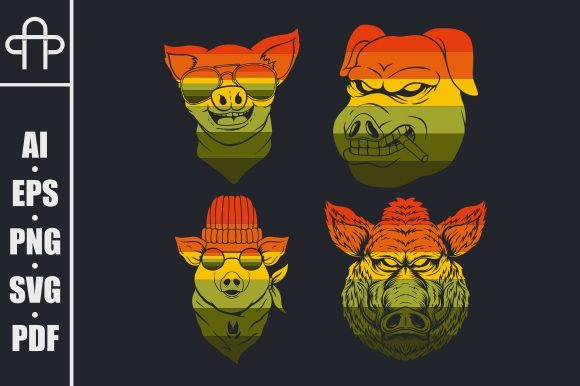
When I first opened the Pig Collection Retro Vector Illustration, my immediate reaction wasn't about the file formats or the vector precision. It was about the mood. There is a specific nostalgia in retro aesthetics that feels warm and inviting, and this collection captures that perfectly. For an embroidery designer, finding a graphic that translates well from screen to thread is always a gamble. However, looking at the shapes and the layout of these pig illustrations, I could immediately visualize them stitched onto fabric. They have a distinct personality that works exceptionally well for handmade products, personalized gifts, and boutique branding.
The design files include AI, EPS, PNG, SVG, and PDF versions, which gives me confidence in their versatility. As someone who frequently prepares custom embroidered tote bags and sweatshirts for small business clients, having access to scalable vector graphics is non-negotiable. These Illustrations are not just static images; they are functional assets ready to be integrated into a professional workflow. The retro style suggests a playful yet timeless vibe, making it ideal for nursery decor, holiday gifts, or even a unique line of kitchen towels.
Real-World Application: From Screen to Stitch
Let's talk about a real scenario. Imagine you are preparing a custom order for a local bakery or a children's boutique. You need a design for a set of aprons and perhaps some matching baby onesies. The client wants something cute but not overly childish. This is where Pig Collection Retro Vector Illustration shines. The rounded shapes and vintage color palette (which you can adapt) fit perfectly on a dark denim apron or a soft pastel baby item.
I often test designs by creating printable mockups before sending them to the machine. When I placed these graphics on a digital mockup of a canvas tote bag, the composition felt balanced. The retro lines don't get lost easily, which is crucial when you are dealing with the limitations of thread thickness. Unlike intricate line art that might blur together during stitching, these illustrations have enough visual weight to stand out as a finished product. They convey a sense of craftsmanship and attention to detail that customers appreciate when they see a high-quality embroidery project.
For Etsy sellers and craft fair vendors, this design offers a competitive edge. A simple pig illustration can be transformed into a memorable brand element. Whether it is used on a patch for a jacket or embroidered directly onto a pillow cover, the retro aesthetic creates a cohesive look that elevates the perceived value of the item. It signals to the buyer that this is a thoughtful, curated piece rather than a mass-produced generic item.
Navigating Technical Challenges in Embroidery
While the artistic potential is clear, using any machine embroidery design requires practical judgment. Not every surface is created equal, and understanding where Pig Collection Retro Vector Illustration fits best is key to avoiding costly mistakes. If you are working with textured fabrics like heavy bouclé or thin materials like silk, you must proceed with caution. The design relies on clean lines, and if the fabric texture interferes with the stitch density, the retro details might become muddy.
One area to watch closely is the use of small details. While the vector files allow for scaling, reducing the design too much for a tiny cap or a miniature patch can lead to issues with stitch density. Satin stitches need room to lay flat; if the curves are too tight, the thread may bunch up, ruining the crispness of the retro shape. Similarly, dense fill areas can create stiffness, which might be uncomfortable on baby clothes or stretchy fabrics. Before committing to a full production run, I always recommend testing the design on scrap fabric first.
This is especially true if you plan to use the design on curved surfaces like caps. The distortion inherent in embroidering on a curved brim can alter the proportions of the illustration. You might find that the pig's snout looks slightly elongated or the ears shift position. Adjusting the digitization or choosing a larger hoop size can mitigate this, but it requires careful planning. Additionally, if you are working with dark fabric, the contrast of your thread colors will make or break the design. Light threads might get lost against dark backgrounds unless you use a high-density underlay or a backing stabilizer effectively.
Stitch Types and Visual Clarity
The success of this embroidery file depends heavily on how the digitizer interprets the vector paths. Ideally, the outlines should be converted to satin stitches for a smooth, polished look, while the interior fills might benefit from a combination of fill stitches and running stitches to add texture without bulk. If the design includes lettering or very fine decorative accents, those elements require a higher stitch count to remain legible. I advise checking whether the design works for both personal and commercial projects, ensuring that the licensing terms align with your intended use.
For those creating digital embroidery files for sale, the clarity of the original vector is paramount. Customers rely on previews to judge quality. If the design appears pixelated or lacks definition in the preview, trust drops. Pig Collection Retro Vector Illustration maintains its integrity across different resolutions, which helps in creating professional printable mockups that accurately represent the final product. This transparency builds customer trust and reduces returns due to unmet expectations.
Strategic Use Cases for Makers and Sellers
Beyond the technical aspects, consider the emotional connection this design fosters. Pigs are universally liked, and the retro style adds a layer of sophistication that appeals to adults as well as children. This makes it versatile for various occasions. Think about holiday embroidery projects for Christmas stockings, wedding gifts for couples who love farm-to-table themes, or even personalized products for pet owners who want a unique touch.
In the realm of commercial embroidery, consistency is everything. Using a cohesive set of design assets like this collection helps establish a strong brand identity. If you sell a line of small shop products, having matching graphics for your tags, packaging, and the actual embroidery creates a seamless experience. It shows professionalism and care, factors that drive repeat business and positive reviews.
However, there are scenarios where this design might not be the best fit. If you are targeting a market that prefers ultra-minimalist or highly modern geometric styles, the retro aesthetic might feel out of place. Similarly, for items that need frequent washing, such as work uniforms or everyday dishcloths, ensure that the stitch density is sufficient to withstand wear and tear without fraying. Always inspect small details after washing to confirm durability.
Final Thoughts for the Creative Entrepreneur
Ultimately, Pig Collection Retro Vector Illustration is more than just a download; it is a tool for building a brand and creating meaningful handmade products. It bridges the gap between digital creativity and tangible craftsmanship. By understanding the strengths and limitations of the design, you can avoid common pitfalls and deliver exceptional results. Remember to review stitch density, confirm hoop size compatibility, and test thread color contrast before starting your next big project.
Whether you are an experienced embroiderer or a hobbyist looking to start a craft business, this collection offers a solid foundation. It allows you to focus on the creative vision while providing the necessary structure for a successful finished product. With the right preparation and a keen eye for detail, these graphics can transform simple fabrics into cherished keepsakes that tell a story. So, grab your stabilizer, select your favorite thread colors, and let the retro charm of the Pig Collection bring your next embroidery project to life.