Mountain Retro Vector Illustration Review
When I first opened the Mountain Retro Vector Illustration, my immediate reaction was a sense of nostalgia mixed with modern utility. As someone who has spent years reviewing embroidery files for both personal hobby projects and commercial client work, I know that not every vector graphic translates well into thread. There is often a disconnect between a crisp screen image and the tactile reality of stitching. However, this design feels different. It possesses a specific mood that suggests it belongs in a handmade product rather than just sitting as a digital asset on a hard drive.
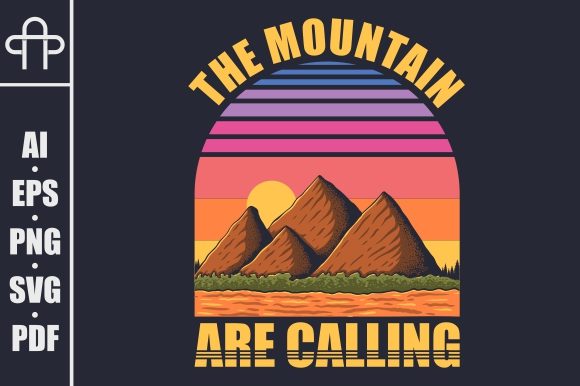
The visual personality of the mountains is distinct. The retro style implies a vintage aesthetic that is currently trending but requires careful handling to avoid looking dated or cheap. The shapes are bold enough to hold up under the scrutiny of close inspection, which is crucial for any embroidery project. Before I even loaded this into my machine, I began thinking about where this design would shine. It screams outdoor adventure, cabin life, and rustic charm. It fits naturally into categories like tote bag design, sweatshirt embroidery, or perhaps a decorative pillow cover for a nursery with a nature theme.
From Screen to Stitch: A Real-World Scenario
To truly understand the value of this file, let's imagine a practical scenario. I am preparing for a holiday season rush for my small shop. I need a custom embroidered patch to attach to a batch of canvas aprons I plan to sell as kitchen gifts. The target customer loves camping aesthetics but wants something subtle yet recognizable. I pull up the Mountain Retro Vector Illustration and visualize it stitched in earth tones—forest greens, slate blues, and warm ochres.
In this context, the design performs exceptionally well. The layered look of the mountains allows for interesting texture variation. If I use a satin stitch for the outlines and fill stitches for the mountain faces, the result creates depth that flat printing cannot achieve. Imagine a customer receiving a personalized gift; the tactile quality of the embroidery adds significant perceived value. It transforms a simple $15 apron into a boutique-quality item worth $35. This is where the finished product elevates from a craft fair item to a professional merchandise piece.
However, I also considered using this for a baby onesie. The soft curves of the retro mountains are gentle enough for a nursery decor theme, but the detail level needs to be scrutinized. For a baby item, comfort is paramount. If the design becomes too dense, it could create a stiff area that irritates delicate skin. This is why testing on scrap fabric is non-negotiable. I would likely scale the design down slightly for a chest placement on a onesie to ensure the stitch density remains breathable while maintaining the visual impact of the mountain retro vector illustration.
Performance Across Different Textiles and Products
The versatility of an embroidery file is often its most critical selling point. This design appears robust enough for various applications, but each surface presents unique challenges. For instance, applying this to a cap or hat requires precision. The curved surface of a baseball cap can distort straight lines if the hoop size is not managed correctly. The retro style, with its clean lines, might suffer if the fabric stretches too much during the stitching process. I would recommend using a high-density stabilizer and perhaps reducing the complexity of the inner details if the final product is going on a tight curve.
On stable fabrics like cotton twill for tote bags or denim for sweatshirts, the design excels. The contrast between the thread colors and the fabric texture brings out the vintage feel. When I think about commercial embroidery for a boutique brand, consistency is key. If you are producing fifty identical shirts, the Mountain Retro Vector Illustration must register cleanly every time. The vector formats included (AI, EPS, SVG) suggest that scaling should be seamless, allowing you to adjust the design from a tiny pocket placement to a large back print without losing resolution.
I also envision this working beautifully on kitchen towels. A tea towel featuring these mountains, stitched in white or cream thread on a natural linen background, would make a stunning wedding gift. The simplicity of the design ensures it doesn't overwhelm the fabric, while the retro vibe adds character. For Etsy sellers and craft business owners, this kind of imagery resonates strongly with buyers looking for "cottagecore" or "outdoor enthusiast" themes. It bridges the gap between digital art and physical craftsmanship effectively.
Where Caution is Required
While the potential is high, there are specific areas where this design requires careful execution. Small hoop sizes are the first red flag. If you attempt to stitch the full detail of the Mountain Retro Vector Illustration into a 4x4 inch hoop, you may find that the fine lines get lost or merge together. In such cases, simplifying the running stitch elements or removing minor accents might be necessary to preserve clarity.
Textured fabrics present another hurdle. While a heavy wool felt might enhance the retro look, thin or stretchy knits can cause puckering. If you are working with a light t-shirt fabric, the weight of the fill stitch could distort the garment's drape. Similarly, dark fabrics require a solid underlay or a contrasting thread color scheme to prevent the design from looking muddy. Always inspect the thread colors against your chosen material before committing to a full production run.
Dense stitch areas are also a consideration. If the original vector contains very intricate shading, converting that to embroidery might result in a thick, raised pile that feels uncomfortable or looks bulky. For products that need frequent washing, such as aprons or kids' clothing, excessive density can lead to premature wear or thread breakage. It is wise to review the digitization settings to ensure the stitch density is optimized for durability without sacrificing the artistic intent.
Practical Notes for the Designer
Before you launch into a production run, there are several steps every experienced designer takes. First, test the design on scrap fabric. This is the only way to verify how the Mountain Retro Vector Illustration interacts with your specific machine and thread type. Check the thread color contrast carefully; sometimes a color that looks vibrant on a monitor appears dull once stitched.
Review the stitch density and confirm your hoop size matches the design dimensions. Inspect small details to ensure they will not collapse during stitching. It is also helpful to test the design in black and white mockups to see if the composition holds up without relying on color. Compare light and dark fabric backgrounds to determine the best presentation for your handmade product.
Don't forget to use proper stabilizer. The right backing prevents shifting and ensures the embroidery project comes out flat and professional. Finally, confirm whether the license terms allow for both personal and commercial projects. If you plan to sell finished items made with this digital embroidery file, verifying the licensing is essential to protect your small shop product line. By following these practical steps, you can turn a great vector graphic into a standout piece of wearable art that customers will love.