Flat Style Urban Retro City Illustration Review
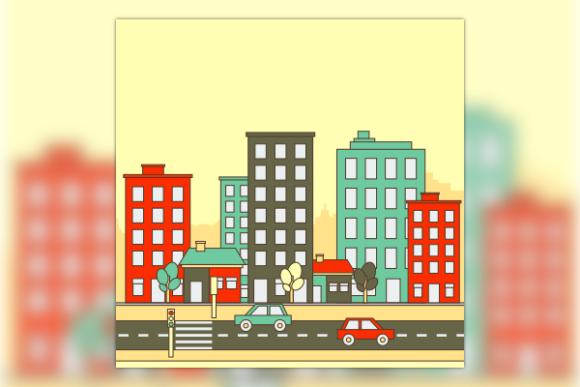
I have spent years stitching and reviewing designs for everything from boutique branding to personalized baby gifts. When I first opened the Flat Style Urban Retro City Illustration, my immediate reaction was one of genuine excitement about its potential for real-world projects. It is not just another generic graphic; it possesses a specific mood that feels both nostalgic and modern. The flat cartoon-like style with a clean outline creates a visual personality that is perfect for urban life environments or playful children's themes. However, as an experienced designer, my job isn't just to admire the vector art but to evaluate how it translates into thread on fabric.
The product description notes that this is an editable SVG vector and suggests using Inkscape. This is a crucial detail for any embroidery file. Unlike pre-digitized PES or DST files that are locked in their stitch paths, having the source vector means you have total control over the final look. You can adjust the size of buildings, change the color palette of the skyline, or modify the street details before you even place the hoop. For a craft business owner or an Etsy seller, this flexibility is often more valuable than a fixed digitization because it allows you to tailor the design to your specific client requests without needing expensive software upgrades.
From Vector to Thread: A Real-World Scenario
To understand the true value of Flat Style Urban Retro City Illustration, imagine a scenario where a local coffee shop owner approaches you. They want a custom embroidered patch for their barista uniforms and matching tote bags for their retail line. They need something that captures the gritty yet charming vibe of city living without looking too corporate or stiff. This illustration fits that brief perfectly.
If I were taking this project on, I would start by importing the SVG into my digitizing software. Because the original design relies on outlines, I would likely convert those lines into satin stitches for a crisp edge definition. The flat areas of the buildings and streets could be filled with fill stitches or running stitches depending on the desired texture. For a sweatshirt embroidery project, the large flat areas would work beautifully, creating a bold statement piece that stands out against dark denim or charcoal fleece.
However, the transition from screen to fabric requires careful consideration. The "retro" aspect of the design suggests warm tones—perhaps burnt oranges, mustard yellows, and deep teals. On a digital mockup, these colors pop. But when selecting thread colors for the finished product, I would test them against the actual fabric texture. A light gray fabric might make the white outlines disappear if the thread density is too low, whereas a black background would demand high contrast threads to ensure the details don't get lost in the weave.
Where This Design Shines in Embroidery Projects
This embroidery design is incredibly versatile, making it a strong candidate for a wide range of handmade products. Its clean lines and simplified shapes mean it scales well, which is essential for small shop products ranging from tiny patches to large wall hangings.
- Custom Apparel: It looks fantastic on hoodies, t-shirts, and aprons. The urban theme pairs naturally with casual wear, making it a hit for streetwear brands or community event merchandise.
- Baby Items: The cartoon-like style is gentle and approachable, making it ideal for nursery decor, baby blankets, or bibs. Parents love designs that feel modern but whimsical.
- Home Decor: Pillow covers and kitchen towels benefit from the clear, graphic nature of the illustration. It adds a touch of personality to a home without overwhelming the space.
- Holiday Gifts: Imagine a set of matching holiday ornaments or stockings featuring a retro city skyline. It offers a unique alternative to traditional snowflakes or reindeer, appealing to those who love city life.
- Commercial Embroidery: For businesses selling branded goods, this design provides a professional look that elevates the perceived value of the item. It signals attention to detail and creativity.
When used as a digital embroidery file for print-on-demand services or as part of a digital product preview, the clean vector ensures that the image remains sharp in marketing materials. Customers can visualize exactly what they will receive, which builds trust and reduces returns.
Navigating Potential Pitfalls
While the Flat Style Urban Retro City Illustration is a strong asset, no design is without its challenges. As a reviewer, I must point out where caution is needed to ensure a successful finished product.
First, consider the hoop size. If you attempt to stitch this on a very small surface, like the front of a baseball cap or a tiny baby bootie, the details might become crowded. The outlines, while clean, still require space to breathe. If the design is too dense, the fabric may pucker, ruining the crisp aesthetic that makes this illustration so appealing.
Secondly, fabric choice matters immensely. Textured fabrics like chunky knits or thick canvas can hide the fine details of the outline. Similarly, stretchy fabrics like jersey or spandex blends require extra care with stabilizers. Without proper support, the tension of the satin stitch around the building edges could cause the garment to warp. For thin fabrics, a tear-away or cut-away stabilizer is non-negotiable to maintain the integrity of the design.
Dark fabrics present another hurdle. While high-contrast thread works well, the outline of the design might need to be slightly thicker or doubled up to ensure visibility. If you plan to use this for embroidered patches, you will need to decide whether to add a border or a backing material to prevent fraying, especially since the flat style often leaves open spaces that can snag easily.
Practical Designer Notes for Success
Before committing this embroidery project to a client or a mass production run, there are several steps I always recommend taking. First and foremost, test the design on scrap fabric. This simple step reveals issues with stitch density or thread tension that you cannot see on a computer screen.
Review the thread colors you intend to use. Sometimes a color that looks vibrant on a monitor appears muddy in thread form. Check the contrast between the fill stitches and the background fabric. If the design includes tiny lettering or intricate corners, inspect these areas closely. Small details are often the first to get lost in the stitching process.
It is also wise to create black and white mockups to see how the design holds up without the distraction of color. This helps verify that the composition is balanced and that the negative space is effective. Additionally, compare how the design looks on both light and dark backgrounds to ensure versatility.
Finally, do not overlook the technical aspects mentioned in the product description. Since the file is an SVG best used in Inkscape, ensure you have the necessary software to manipulate the vectors before converting them to machine-readable formats. Confirm the licensing terms explicitly. Are you allowed to sell finished items? Can you resell the digital assets? These questions are critical for Etsy sellers and small business owners to avoid legal trouble.
In conclusion, the Flat Style Urban Retro City Illustration is a robust tool for creative entrepreneurs. It bridges the gap between digital art and tactile craftsmanship effectively. With careful planning regarding fabric selection, stabilizer usage, and digitization settings, this design can elevate your brand and delight your customers. It is a reminder that great embroidery starts with a great foundation, and this vector offers a solid one for your next big project.