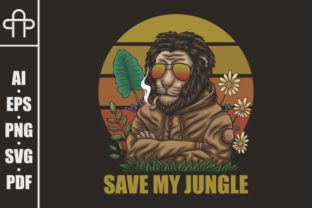
Lion Save My Jungle Retro Review
I have spent years reviewing digital assets for my own embroidery shop, and I can tell you that finding a design that balances artistic flair with technical feasibility is the hardest part of the job. Most files look great on a screen but fall apart when they hit the hoop. Today, I am evaluating Lion Save My Jungle Retro, a file included in AI, EPS, PNG, SVG, and PDF formats. As an experienced designer looking to incorporate this into a real-world collection, I want to share my honest thoughts on how this piece performs as a machine embroidery design.
First Impressions: Mood and Visual Personality
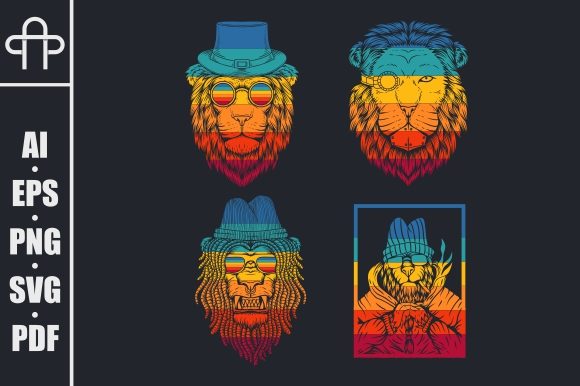
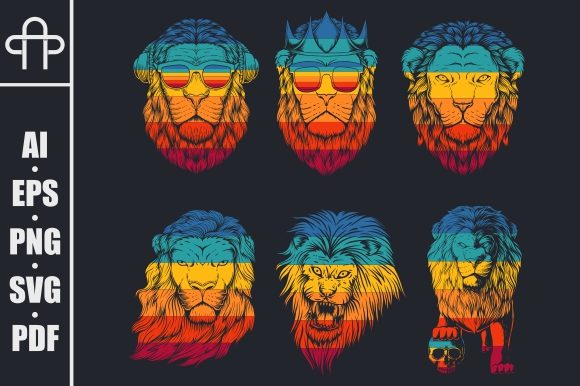
The moment I opened the vector files, the retro aesthetic jumped out at me. This isn't just a standard lion illustration; it carries a specific vintage energy that feels nostalgic yet fresh. The layout suggests a strong central figure, likely perfect for a chest placement or a back-of-tote statement. The "Retro" tagline implies bold lines and perhaps a slightly distressed texture that translates beautifully into thread work.
For a craft business owner, the visual personality matters just as much as the stitch count. Lion Save My Jungle Retro creates a mood of strength and adventure. It feels like something you would see on a 1970s camping patch or a classic band tee. When I imagine this stitched onto fabric, I see high contrast and a sense of rugged charm. It immediately elevates the perceived value of the finished product, making a simple tote bag feel like a curated boutique item.
Real-World Application: The Custom Sweatshirt Scenario
To truly understand how this design works, I need to put it through a practical test. Let's say I am preparing a custom order for a local outdoor gear shop. They need a limited run of embroidered sweatshirts featuring a unique jungle theme. I pull up Lion Save My Jungle Retro to mock it up.
On a heavy cotton fleece sweatshirt, this design shines. The retro style pairs perfectly with the soft, textured surface of the garment. I visualize the satin stitches outlining the lion's mane catching the light, creating a dimensional effect that looks expensive. Because the design is categorized under Illustrations and Graphics, it offers clean paths that should digitize well into fill stitches. For a small business selling handmade goods, this kind of distinct visual identity is crucial. It helps the product stand out in an Etsy feed or a craft fair booth where customers are scanning quickly.
However, I also considered using this for a baby onesie. While the theme is adventurous, the retro vibe might be too bold for delicate infant wear unless the scale is reduced significantly. In that case, the detailed corners of the illustration might get lost in the tight stitching required for small hoops. This is why I always advise checking the scale before committing to a production run.
Technical Performance and Stitch Considerations
When working with any digital embroidery file, the devil is in the details. Since the product description lists AI, EPS, SVG, and PDF formats, we have flexibility in how we approach the digitization process. If you are converting these vectors yourself, pay close attention to the density of the fill areas.
A retro design often relies on thick outlines and solid blocks of color. If the stitch density is too high, the fabric will pucker, especially on lightweight materials like jersey or thin poplin. I recommend testing the design on scrap fabric first to ensure the stabilizer holds everything flat. For a project like an apron or a kitchen towel, which uses heavier cotton, the stability is usually less of a concern, allowing for more aggressive stitching techniques.
If you plan to use this as an embroidered patch, the clean edges of the vector file will be your best friend. You can easily define the cut-out line around the lion. However, if you are attempting to stitch this directly onto a curved surface like a cap, you must be careful. Curved surfaces distort the image, and intricate details in the background could become muddy. In this scenario, simplifying the design or focusing only on the main subject might yield a cleaner result.
Where to Exercise Caution
While Lion Save My Jungle Retro is versatile, there are specific scenarios where it requires extra attention. Avoid placing this design on stretchy fabrics without proper hooping techniques, as the tension can warp the retro lines. Similarly, if you are working with dark fabric, ensure your thread colors offer enough contrast. A subtle detail in the mane might disappear against a black t-shirt unless you use a bright underlay or a lighter thread color.
Another critical area is the fine lettering or tiny decorative accents. If the original graphic includes small text elements, verify that they remain legible after digitizing. Tiny running stitches can sometimes break or bunch up during the washing cycle. For products that need frequent laundering, like kids' clothes or work aprons, dense stitch areas are better than sparse, long stitches which are prone to snagging.
Impact on Brand and Customer Trust
In the world of handmade products, presentation is everything. A poorly executed design can make a professional-looking item appear cheap. Lion Save My Jungle Retro, when stitched correctly, adds a layer of professionalism. It signals to the buyer that the creator cares about aesthetics and quality. This builds trust and encourages repeat purchases.
For digital product sellers, having high-quality source files like the provided AI and EPS versions allows you to create stunning printable mockups. You can show potential buyers exactly how the design will look on a hoodie or a pillow cover before they even buy the file. This transparency reduces returns and increases sales confidence. The versatility of the graphics format means you can adapt the design for various marketing materials, ensuring brand consistency across your social media and shop listings.
Practical Designer Notes for Success
Before you start stitching, here are a few essential steps to ensure your Lion Save My Jungle Retro project succeeds:
- Test on Scrap Fabric: Always run a test stitch on a piece of leftover material to check for puckering and alignment.
- Check Thread Contrast: Ensure the thread colors pop against your chosen fabric. High contrast enhances the retro feel.
- Review Stitch Density: Adjust the density settings in your software to prevent the fabric from becoming stiff or wrinkled.
- Confirm Hoop Size: Make sure your hoop is large enough to accommodate the full design without cutting off important details.
- Inspect Small Details: Zoom in on the digital file to identify any tiny elements that might not translate well to thread.
- Use Proper Stabilizer: Select the right stabilizer (cut-away, tear-away, or water-soluble) based on the weight and type of your fabric.
- Verify Licensing: Before selling finished items or digital products, double-check the license terms associated with the file to ensure commercial use is permitted.
Ultimately, Lion Save My Jungle Retro is a strong asset for any creative entrepreneur looking to expand their product line. Whether you are decorating holiday gifts, creating boutique branding, or designing custom apparel for a client, this design offers a blend of style and substance. By taking the time to evaluate its technical requirements and planning your production carefully, you can turn this digital graphic into a cherished physical keepsake.
Remember, the goal is not just to stitch a picture, but to create a finished product that tells a story. With the right preparation, this retro lion can become a standout piece in your portfolio, appealing to everyone from hobbyists to serious small shop owners.